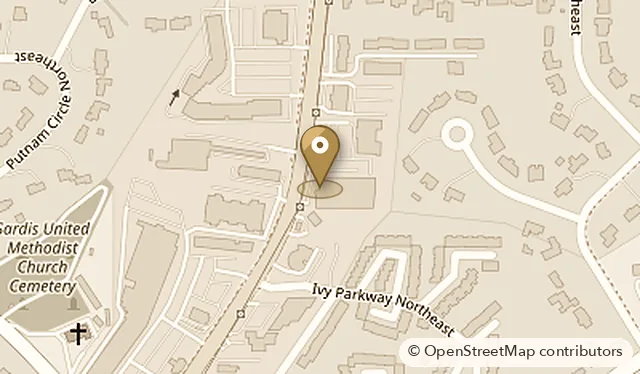
Atlanta (Buckhead)
3833 Roswell Rd NE, Tuxedo Atrium, Suite 108Atlanta, GA 30342
Floor 1 of the Tuxedo Atrium
Monday to Friday 8:30 AM to 5 PM; Saturday 8:30 AM to 2:30 PM
Medical Botox
Botox for jaw clenching and TMJ is an off-label use: the FDA has not approved any botulinum toxin for temporomandibular disorders or teeth grinding. It relaxes the chewing muscles, and studies disagree on how much it helps. It is usually considered after a dental or medical evaluation of the cause and simpler treatments, and it can weaken your bite.
Treated by Dr. PaymanBuckhead and Cumming
What it treats
Botox for jaw clenching relaxes the chewing muscles, most often the masseter, in people with muscle-related jaw pain, teeth grinding (bruxism) or heavy clenching. It does not remove the cause of the clenching, repair a damaged jaw joint or restore worn teeth. In the United States this use is off-label, meaning it is not listed on the FDA label.
The National Institute of Dental and Craniofacial Research says temporomandibular disorders (TMDs) are a group of more than 30 conditions that cause pain and dysfunction in the jaw joint and the muscles that move the jaw. Botox acts on muscle, not on the joint. A 2022 review of 24 randomized trials found equivocal evidence for muscle-based TMDs and very little for joint disorders.
Neither the Botox label nor the Botox Cosmetic label lists TMJ pain, grinding or clenching. Asking for a slimmer lower face targets the same muscle and is also off-label today. In August 2026 the manufacturer announced that the FDA accepted for review an application to add masseter muscle prominence to the Botox Cosmetic label. Accepted for review is not approved: as of October 21, 2026, FDA's approval record for Botox and Botox Cosmetic shows no label supplement approved after October 18, 2024, and neither current label mentions the masseter.
Results
It helps some people, but the evidence is mixed. Reviews of randomized trials disagree on whether Botox beats placebo for jaw pain, a 2024 umbrella review found it no better than standard treatments, and the bruxism trials are small. The honest summary is possible benefit, an uncertain size of effect and real trade-offs.
The two meta-analyses are by Li and colleagues and Saini and colleagues, and the bruxism trial is by Cruse and colleagues. The umbrella review rated the evidence moderate yet advised Botox only as a last option because of the risk to muscle and bone. NIDCR says results have been mixed and it remains unclear whether the treatment relieves TMD symptoms.
Effects are temporary. In a non-randomized one-year study of 20 people given masseter injections of a different botulinum toxin product for cosmetic reasons, bite force was lower at 3 months and no longer significantly reduced at 6 months, and the grinding difference in the bruxism trial had faded by 12 weeks.
| Review | What it covered | What it found |
|---|---|---|
| Umbrella review, 2024 | 18 systematic reviews of muscle-based TMD | Better than placebo for pain, not better than standard treatments, no better for mouth opening, more muscle and bone adverse events |
| Meta-analysis (Li), 2024 | 15 randomized trials, 504 people | Less pain than placebo at 1 and 6 months; no significant difference in adverse events |
| Meta-analysis (Saini), 2024 | 14 randomized trials, 395 people | Authors concluded it was not associated with better pain, mouth opening, grinding or bite-force outcomes |
| Sleep bruxism trial, 2022 | Randomized crossover, 22 people analyzed | Fewer grinding events at 4 weeks, not sustained at 12 weeks; no difference in self-reported symptoms |
Is it right for you?
Good candidates are adults whose jaw pain or clenching has been evaluated by a dentist or doctor, who have tried simpler treatments and who understand the off-label status. Wait, or choose another option, if you are pregnant or breastfeeding, have a nerve or muscle disease, have an infection where injections would go, or have not had your pain diagnosed.
Pain in the mouth, jaw or face may or may not be related to a TMD, and your doctor or dentist may need to rule out other conditions first. Bring any dental notes, night guard details and a full medication list to your consultation.
Tell Dr. Payman first if any of these apply

Who treats you
Board-certified physician with 13+ years in aesthetic medicine. Dr. Payman is the only provider at Derm Clinic MD, and she personally treats every patient. Every plan starts with a consultation, so it is made around your face and your goals.
Georgia medical license 61513 (NPI registry).
Read Dr. Payman's full bioYour visit
Every treatment starts with an in-person consultation, where your symptoms, dental history and medications are reviewed and the off-label status and the evidence are explained before you decide whether to treat. If you go ahead, Dr. Payman plans and performs the treatment.
Dr. Payman will tell you the specifics for your plan. Follow your written aftercare instructions, and see our guide to a first med spa consultation for what to bring and what to ask.
Cost
Dr. Payman's published price for Botox for TMJ ranges from $350 to $800. Your cost depends on the plan made at your consultation, and the office quotes it then. Because this is an off-label use, ask your health plan whether it covers any part of the treatment, and what studies support it, before you decide.
Our guide to Botox cost in Atlanta explains how to compare quotes, and you can ask whether Gold membership pricing applies to your plan. See pricing for what the site lists. When you are ready, book a consultation at either office.
Gold membership
$99 a month, saved toward Botox, Jeuveau or dermal fillers
Six-month minimum, then month to month. A $99 fee applies if you cancel before six months.
Compare
Start with simple, reversible steps. NIDCR lists soft foods, heat or cold with gentle jaw stretching, over-the-counter pain relievers and cutting back on clenching, gum chewing and nail biting, then physical therapy or behavioral approaches. Many TMD symptoms go away without treatment, and experts recommend conservative care first.
Night guards protect teeth and may help with habit reversal, but NIDCR notes there is not a lot of evidence that they improve TMD pain, and it suggests considering a second opinion from an orofacial pain specialist. Botox belongs near the end of that list because it weakens muscle and its effects on bone and bite are still being studied. The 2024 umbrella review above reached the same view.
Safety
The main risks are weaker chewing, a changed smile, effects on jaw muscle and bone and, in some reported cases, spread of the toxin beyond the injection area. Trouble swallowing, speaking or breathing after any botulinum toxin injection needs emergency care right away.
In the bite-force study described above, the reduction lasted at least three months, and a systematic review of sleep bruxism trials reported smile changes in 15.4% of patients in one study and injection site pain in 20% in another. A 2024 meta-analysis of animal and human studies found about a 6% decrease in cortical thickness of the jaw bone in humans (six studies) after injections, with no clear change in bone volume or density, and bone loss in animal jaws. Most studies did not look at repeated injections, and the authors called for more rigorous trials.
The Botox label carries a boxed warning: effects can spread from the injection site, symptoms have been reported hours to weeks after injection, and swallowing and breathing difficulties can be life threatening. It also reports serious adverse reactions, including excessive weakness, trouble swallowing and aspiration pneumonia, in people injected for unapproved uses, and says safety and effectiveness for those uses have not been established.
Patient reviews
“I was a bit apprehensive about Botox and spending the money on myself, but Dr. Payman and her team makes the whole process stress-less and pleasant.”
“I only trust this clinic with my Botox and fillers.”
“She really takes her time to fully understand the results I am looking for…”
Excerpts are quoted word for word from public Google reviews of Derm Clinic MD. Individual results vary.
Questions
Short answers here. Your own plan, product and cost are set with Dr. Payman at your consultation.
Ask at a consultationNot entirely. In a randomized crossover trial of people with sleep bruxism, grinding events were lower four weeks after Botox than after placebo, but the difference was not sustained at 12 weeks and self-reported symptoms did not differ. Botox weakens the muscle; it does not remove the urge to clench. Ask your dentist whether a night guard makes sense.
A 2026 meta-analysis of botulinum toxin for masseter muscle hypertrophy (Machado et al., Journal of Plastic, Reconstructive and Aesthetic Surgery) of five placebo-controlled trials with 536 people found short-term improvement in masseter prominence, muscle thickness and satisfaction, though the trials varied widely. This use is off-label in the United States today. The manufacturer says the FDA has accepted an application for Botox Cosmetic for review; it is not approved. The bite and bone points on the Botox for jaw clenching page still apply.
Both labels cover onabotulinumtoxinA, but they list different uses. The Botox Cosmetic label lists frown lines, crow's feet, forehead lines and platysma bands. The Botox label lists medical uses such as chronic migraine, cervical dystonia and underarm sweating. Neither lists TMJ pain, grinding or clenching, which is why this use is called off-label. See Botox for the cosmetic uses.
Plan to wait. The Botox label says there are no adequate human data on pregnancy, that animal studies showed lower fetal weight and less skeletal ossification, and that there are no data on breast milk or breastfed infants. Tell the office if you may be pregnant or are nursing.
Yes, a dental or medical evaluation of the cause comes first. NIDCR advises anyone who thinks they have a TMD to consult a dentist or doctor, and says jaw or face pain may not be related to a TMD at all. Botox acts on muscle, not on the joint, so if the cause is the joint or another condition, treating the muscle may not help. Bring what you learn to a consultation.
There is no established schedule for jaw clenching. A 2024 systematic review and meta-analysis of botulinum toxin and mandibular bone (Moussa et al., Journal of Oral Rehabilitation) found that most studies of bone effects did not look at repeated injections, and its authors called for more rigorous trials. If symptoms return as the effect fades, weigh another round with your doctor and dentist rather than booking on a calendar.
Two offices
Monday to Friday 8:30 AM to 5 PM; Saturday 8:30 AM to 2:30 PM
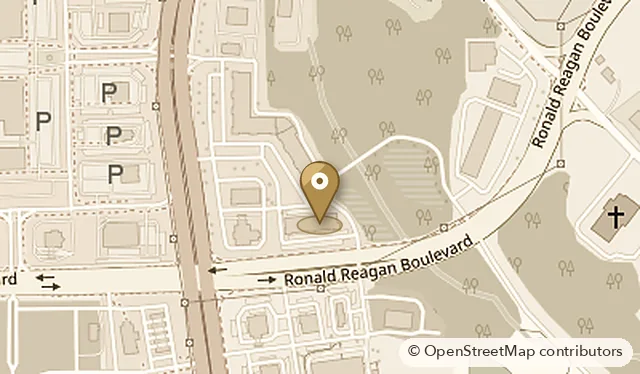
Monday to Friday 8:30 AM to 5 PM; Saturday 8:30 AM to 2:30 PM
Maps © OpenStreetMap contributors.
Keep exploring
Your first step
Book a consultation in Buckhead or Cumming and leave with a plan that fits your face, your goals and your budget.
This page is general education and is not medical advice. It does not replace an in-person consultation. Whether a treatment suits you, and what result is realistic, depends on your health history and an examination. Results vary from person to person.
Derm Clinic MD · Last updated October 2026.