

Atlanta (Buckhead)
3833 Roswell Rd NE, Tuxedo Atrium, Suite 108Atlanta, GA 30342
Floor 1 of the Tuxedo Atrium
Monday to Friday 8:30 AM to 5 PM; Saturday 8:30 AM to 2:30 PM
Collagen and contouring
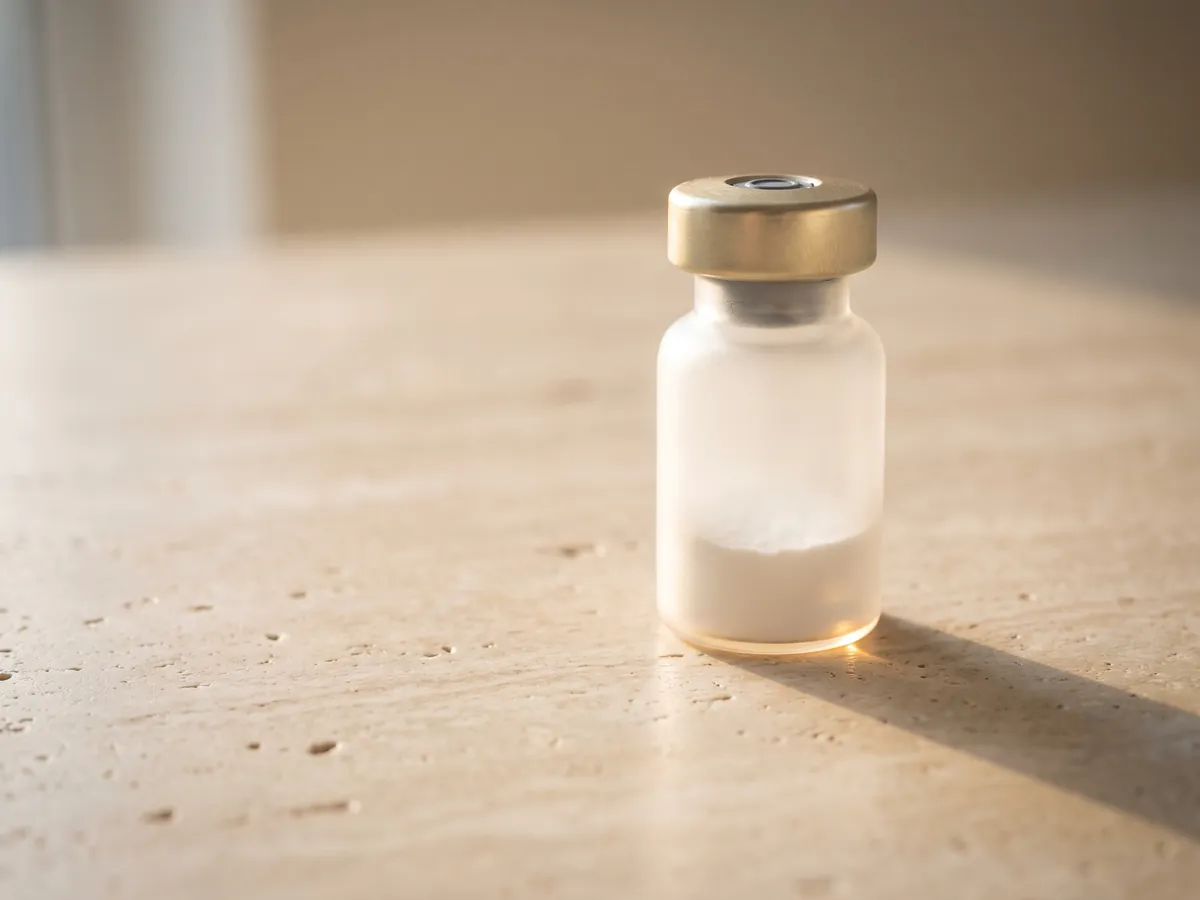
Sculptra is an injectable poly-L-lactic acid that builds change gradually over several weeks instead of filling a line on the spot. The FDA has approved it for nasolabial folds and other facial wrinkles, cheek-region fine lines and wrinkles, and HIV facial fat loss, and says effects may last up to 2 years. It usually needs several sessions, may include home massage, and its main risk is delayed lumps.
Treated by Dr. PaymanBuckhead and Cumming

What it treats
Sculptra is FDA-approved to correct shallow to deep nasolabial fold contour deficiencies and other facial wrinkles, and fine lines and wrinkles in the cheek region, in immune-competent people. A third approval covers facial fat loss (lipoatrophy) in people with HIV. Using it anywhere else, such as the neck, chest or body, is off-label.
Sculptra's active material, poly-L-lactic acid (PLLA), is a biodegradable, man-made polymer that is also used in absorbable stitches. The FDA says its effects become increasingly apparent over several weeks. The American Society of Plastic Surgeons notes that many non-hyaluronic acid fillers work by stimulating the body's natural collagen production.
Results
Results build over several weeks after each session, so the first days are not a guide. In the FDA cheek-wrinkle trial, 71.6% of treated people were responders at month 12, against 26.1% of untreated people (observed cases), and the FDA says Sculptra's effects may last up to 2 years.
A responder in that trial improved by at least one grade on a five-step wrinkle scale, on both cheeks, as judged by a blinded evaluator. Among 65 treated people seen at month 24 in an optional extension that 72 of the 97 treated people joined, with no further treatment, 76.9% were still responders. Evidence quality is mixed: a 2024 systematic review of 11 randomized trials rated the overall evidence as low quality, with five trials at high risk of bias, even though four showed effects lasting at least 25 months.
Is it right for you?
Sculptra suits adults with cheek or fold wrinkles who want gradual change and can commit to several sessions and any home routine your injector asks for. The label says it should not be used with a history of keloids or hypertrophic scarring, a history of anaphylaxis or multiple severe allergies, hypersensitivity to any component, or, when lidocaine is added, a lidocaine allergy.
A history of herpes, including cold sores, is a caution too: the label says injections may be associated with reactivation of the herpes. Skin tone matters as well: in the label's five-year study, pigment changes at the injection site were uncommon but more frequent in darker skin types (1.6% versus 0.2%). They were mild and lasted 24 to 152 days, and one was unresolved at the study's end. Tell your injector about every medicine and supplement you take, and do not stop any on your own.
Tell Dr. Payman first if any of these apply

Who treats you
Board-certified physician with 13+ years in aesthetic medicine. Dr. Payman is the only provider at Derm Clinic MD, and she personally treats every patient. Every plan starts with a consultation, so it is made around your face and your goals.
Georgia medical license 61513 (NPI registry).
Read Dr. Payman's full bioYour visit
A Sculptra visit starts with an in-person consultation, then photos, consent and the injections. You leave with written aftercare, which may include a home massage routine, and return so your injector can judge the result before deciding on another session. The label says that decision comes no sooner than four weeks after a session.
Cost
Derm Clinic MD quotes your Sculptra cost at the consultation, after the plan is made, because the number of sessions and the amount of product depend on your face and goals. This page lists no dollar range.
The American Society of Plastic Surgeons notes that filler costs vary with the expertise of the person treating, the type of procedure, the time and effort it takes and the geographic location, and that health insurance does not cover dermal fillers. See pricing, and ask whether Gold membership ($99 a month, with 10% off other services and skincare) applies to your plan. When you are ready, book a consultation at either office.
Gold membership
$99 a month, saved toward Botox, Jeuveau or dermal fillers
Six-month minimum, then month to month. A $99 fee applies if you cancel before six months.
Compare
Sculptra and Radiesse are both non-hyaluronic acid fillers that a 2026 systematic review groups as collagen biostimulators, but they are different materials with different FDA approvals. Sculptra is poly-L-lactic acid. Radiesse is calcium hydroxylapatite. The table shows which labeled uses each one carries today.
| FDA-approved use | Sculptra | Radiesse |
|---|---|---|
| Nasolabial folds and other facial wrinkles | Yes (2009) | Yes (2006) |
| Cheek region | Fine lines and wrinkles (2023) | Not a labeled use |
| Jawline contour | Not a labeled use | Radiesse (+) only, adults over 21 (2021) |
| Back of the hands | Not a labeled use | Yes (2015) |
| Chest (décolleté) wrinkles | Not a labeled use | Diluted with saline, ages 22 and up (2026) |
| Facial fat loss with HIV | Yes (2004) | Yes (2006) |
Radiesse's approvals come from the FDA summaries for 2026 and 2021. The FDA's general estimates, from a 2020 overview, are up to 2 years for PLLA and approximately 18 months for calcium hydroxylapatite, against approximately 6 to 12 months for hyaluronic acid filler; individual products differ, so ask about the one planned for you. Read the Radiesse page, then compare cheek filler, smile lines filler and the wider dermal fillers family.
Safety
Expected reactions are tenderness, bruising, swelling and pain that settle within days to weeks. The main risk to understand is delayed papules and nodules, lumps that can appear days to months after treatment, usually take months to settle and in some reports lasted up to 2 years. Rare but serious risks include injection into a blood vessel, which can cause blindness, stroke or skin death, and serious infection.
In the label's five-year post-approval study of 867 people treated in nasolabial folds and other facial wrinkles, which counted any lump or bump, nodules or papules occurred in 28.5% overall, above the 21% limit the study had set in advance, and ranged from 3.6% in chin creases to 27.2% in marionette lines. The label says nodules usually resolve on their own, but some need steroid injections, subcision or excision, and granulomas have appeared more than a year after treatment. It advises against superficial injection and overcorrection, which is why technique and patience matter as much as the product.
Call the office for a firm or visible bump, worsening swelling or redness, or an open area of skin. Seek emergency care at once for changes in vision, signs of a stroke, a white patch of skin or unusual pain during or soon after treatment, which the label lists as warning signs of injection into a blood vessel. Postmarket reports in the label include blindness after injection into the temple, around the eyes or the cheek, serious infections needing hospital care, allergic reactions and facial nerve paralysis. The particles may show on CT, MRI or ultrasound, so tell any radiologist you have had Sculptra.
Patient reviews
“Once I met with Dr Arshia Paymen I never felt rushed, she took the time to listen to all my concerns and explained it all in a way that was easy to understand.”
“Dr. Payman was very friendly and explained everything thoroughly.”
“She takes time to truly listen to you and explains her treatment plan with great clarity.”
Excerpts are quoted word for word from public Google reviews of Derm Clinic MD. Individual results vary.
Questions
Short answers here. Your own plan, product and cost are set with Dr. Payman at your consultation.
Ask at a consultationThere is no single right price, because Sculptra is usually a series and quotes differ in what they include. Ask how many sessions a quote assumes, whether a follow-up visit is included and whether the price is per vial or per course. Each vial is for one patient and one session only, according to the label, so unused product cannot be saved. Derm Clinic MD quotes after your consultation.
That depends on what you want. It fits if you value gradual change that the FDA says may last up to 2 years and accept a series of sessions plus possible home massage. It is a poor fit for a last-minute event, and the evidence is modest: a 2024 systematic review rated it low quality. Ask for a full-series quote, then decide.
On the FDA's general estimates, it can: Sculptra's poly-L-lactic acid may last up to 2 years, against approximately 6 to 12 months for hyaluronic acid filler. The label says how quickly the body absorbs it has not been determined; in its five-year study, 66.3% of participants seen at year 5, after one series of up to four sessions, rated themselves at least slightly improved. Longer is not automatically better: the FDA says filler that is not hyaluronic acid may be difficult or impossible to remove.
The main downside is delayed lumps. The Sculptra instructions for use say papules and nodules can appear days to months after injection and take a long time to resolve, and some need treatment. In the label's five-year study of 867 people, 28.5% had a nodule or papule. Results build over several weeks and need a series of sessions. Aftercare may include home massage; the instructions describe five minutes, five times a day for five days, as the provider advises.
Tell your injector about every medicine and supplement before treatment, and do not stop any on your own; your prescriber decides that. The label says people with bleeding disorders, or who use substances that affect platelet function, thrombolytics or anticoagulants, may bruise more or bleed at the site, and that safety has not been evaluated with immunosuppressive therapy.
Ask first. The label warns of a possible inflammatory reaction at the treated site if a laser treatment, chemical peel or other procedure based on active dermal response follows Sculptra, and the same applies if Sculptra is given before skin has healed from one. Your injector can sequence laser resurfacing or chemical peels so each has time to settle.
Those uses are off-label. The labeled areas are nasolabial folds and other facial wrinkles, the cheek region and facial fat loss in people with HIV, and the label says injecting at other anatomic sites has not been evaluated. The FDA also recommends against injectable fillers for body contouring to increase the size of the buttocks. Ask your injector what is appropriate for you.
Two offices
Monday to Friday 8:30 AM to 5 PM; Saturday 8:30 AM to 2:30 PM

Monday to Friday 8:30 AM to 5 PM; Saturday 8:30 AM to 2:30 PM
Maps © OpenStreetMap contributors.
Keep exploring
Your first step
Book a consultation in Buckhead or Cumming and leave with a plan that fits your face, your goals and your budget.
This page is general education and is not medical advice. It does not replace an in-person consultation. Whether a treatment suits you, and what result is realistic, depends on your health history and an examination. Results vary from person to person.
Derm Clinic MD · Last updated October 2026.