
Laser Resurfacing
Skin quality
Laser skin resurfacing uses focused light to remove or heat damaged skin so it heals smoother, and it is used for wrinkles, scars, sun damage and uneven tone. Derm Clinic MD offers CO2 laser resurfacing and a microlaser peel. Stronger ablative lasers mean days to about two weeks of healing, pinkness that can last months, and risks that include pigment change and, rarely, scarring. Darker skin tones need extra care.
Treated by Dr. PaymanBuckhead and Cumming
What it treats
Laser resurfacing is used to soften wrinkles and fine lines, improve scars including acne scars, and even out sun damage, age spots and uneven color. The laser removes or heats layers of damaged skin, and the skin heals with a smoother surface. The Cleveland Clinic lists deep wrinkles and excessive or sagging skin among the reasons it may not suit you.
Derm Clinic MD offers CO2 laser resurfacing and a microlaser peel. Lasers differ in depth, healing time and number of sessions, so ask the office how deep your treatment would go, how long you would be healing and how many sessions your plan needs. For indented acne scars, also compare microneedling and our acne scar treatment page.
Results
Resurfacing can improve wrinkles, texture and scars, and the AAD and the Cleveland Clinic both say it can tighten skin. It is not a substitute for surgery, results vary, and deeper treatment brings more healing time and risk. Skin may keep improving for up to a year, and improvement may last several years while normal aging continues.
The AAD says a surgical lift gives the most dramatic results, that minimally invasive procedures cannot match a facelift, and that with a lot of sagging skin, skin tightening may not help. It describes ablative resurfacing as requiring downtime and a greater risk of side effects. The Cleveland Clinic adds that new wrinkles can form with normal aging and may be treated again.
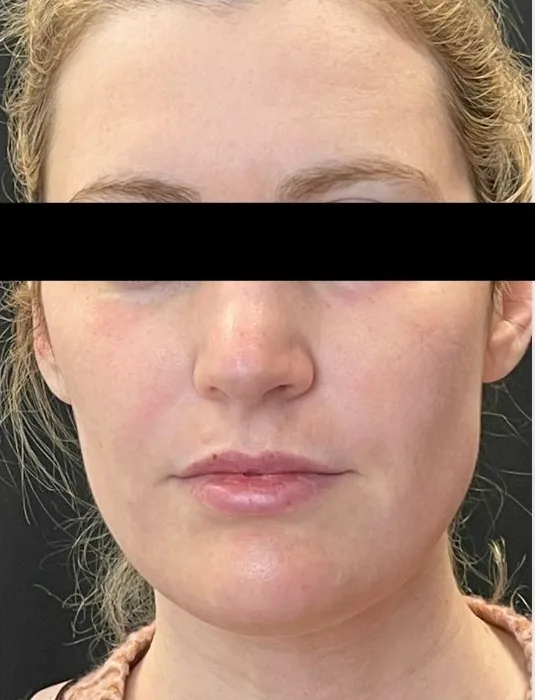
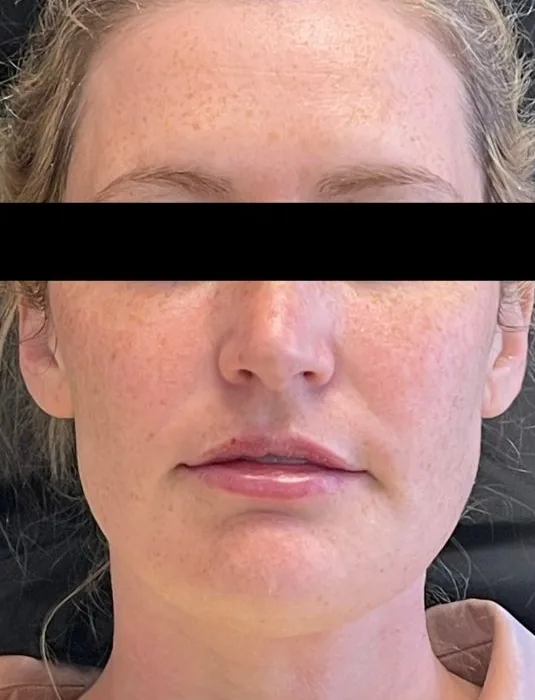
Drag the slider across each photo.Tap any photo to see it larger. These are Dr. Payman's own patients, shown with their written consent. These photos show individual results, not typical or guaranteed ones. Your result depends on your anatomy, the product, how much is used and how many visits you have. The number of visits and the time since treatment are not shown for most sets. See the full gallery.
Is it right for you?
Laser resurfacing suits people with wrinkles, scars or sun damage who accept the healing time and can stay out of the sun. The Cleveland Clinic says you may not be a good candidate if you have active acne, deep wrinkles or excessive or sagging skin. Skin type also needs careful assessment, because darker skin tones carry a greater risk of healing with darker pigment. The ASPS adds that tobacco smoke complicates healing.
Tell your physician about any history of cold sores or shingles, since laser resurfacing can reactivate a cold sore, especially around the mouth; your physician decides whether preventive medicine is needed. The AAD also asks you to share any medical condition, including diabetes, whether you smoke, and every medicine and supplement you take. Also say if you are pregnant or breastfeeding: the AAD says skin-tightening procedures, a group that includes laser resurfacing on its page, are not right for anyone who is pregnant, has a skin infection or takes certain medications.
Isotretinoin is a special case. A 2026 study notes that procedures have traditionally been delayed 6 to 12 months after it. In its 106 patients treated with fractional CO2 laser for acne scars (one clinic, looking back at records), abnormal scarring was not significantly higher with recent use, but dark patches were more likely when laser followed within 90 days of stopping, and healing took longer more often in current users, though that difference was not statistically significant. Share any current or past use and let your physician set the timing. Also say if you have a tan or sunburn, since the AAD says not to arrive with one.

Who treats you
Board-certified physician with 13+ years in aesthetic medicine. Dr. Payman is the only provider at Derm Clinic MD, and she personally treats every patient. Every plan starts with a consultation, so it is made around your face and your goals.
Georgia medical license 61513 (NPI registry).
Read Dr. Payman's full bioYour visit
Every treatment starts with an in-person consultation, where Dr. Payman reviews your skin, health history, skin tone and goals and plans the laser, depth and number of sessions with you. Treatment is usually outpatient, and healing continues at home for days to weeks. The office gives you written aftercare instructions.
The Cleveland Clinic describes partial-face resurfacing as taking 30 to 45 minutes and full-face treatment 1.5 to 2 hours, with the skin dressed and ointment applied afterward to prevent scabbing. Ask for a time estimate for your plan, and ask how the office will keep you comfortable.
Cost
The office quotes your cost at the consultation after the plan is made, because it depends on the laser, the area treated, the depth and the number of sessions. Insurance typically does not cover cosmetic procedures. Whether it is worth the cost depends on your goal and the healing time you can accept.
The ASPS says price depends partly on geographic office location, the expertise and qualifications of the person treating you, and the type and effort of the treatment, and that quoted averages leave out related costs. Ask for the cost of the whole plan, including follow-up visits and skincare. Gold members receive 10% off other services and skincare, so ask whether that applies. See pricing and membership, or book a consultation.
Your exact cost
Your total depends on your plan: the areas, the product and how many visits you need. Dr. Payman gives you the full cost at your consultation, before anything is done.
Gold members get 10% off other services and skincare. About the membership.
Compare
An ablative laser, such as a CO2 laser, wounds and removes layers of skin, so it needs real healing time and carries a greater risk of side effects. A non-ablative laser sends heat into the skin without wounding the top layer, so downtime is shorter than with ablative lasers, but results build gradually over several sessions. CO2 resurfacing is an ablative treatment.
| Item | Ablative (such as CO2) | Non-ablative |
|---|---|---|
| How it works | Removes layers of skin | Heats skin below the surface without wounding the top layer |
| Healing | Stay home about 5 to 7 days (AAD); CO2 recovery up to two weeks (Cleveland Clinic) | Shorter than ablative lasers (AAD) |
| Sessions | Set at your consultation | Often 3 to 5 for tightening, with results 2 to 6 months after the last (AAD) |
| Trade-off | More downtime and a greater risk of side effects such as scarring (AAD) | Results build gradually over several treatments |
Which is better is not settled. A pooled analysis of 4 randomized trials (124 participants) found no significant difference between ablative and non-ablative lasers in improvement or side effects, though the samples were small, so it cannot rule out a real difference. A 2025 review of 39 comparative scar studies found ablative lasers, particularly CO2 and Er:YAG, more effective for indented scars but with more pain and downtime. Ask why a given laser fits your goal.
Safety
Swelling and redness are expected. Risks include darker or, more rarely, lighter patches, milia (small white bumps), acne flares, infection, cold sore reactivation and prolonged redness. Scarring is rare but possible. The AAD says ablative resurfacing carries a greater risk of side effects such as scarring, and the Cleveland Clinic says darker skin tones have a greater risk of healing with darker pigment.
The ASPS says pinkness may take up to a year to fade and lasts longer in some people, and it says not to scratch or pick at crusts because that can cause scarring. The Cleveland Clinic notes that fractional CO2 treatment leaves most skin intact but carries a greater risk of complicated healing and scarring. Call the office promptly if pain grows instead of easing, redness spreads, you see pus or have a fever, or a cold sore appears, and seek urgent care for eye pain or vision changes.
A 2026 review of 13 studies (2,010 cases) found post-inflammatory hyperpigmentation, darkening after the skin is irritated, the most frequent complication, particularly in Fitzpatrick types IV to VI. Ablative lasers carried the highest risks of scarring and infection, and eye injuries were less common but among the most severe. If you have a darker skin tone, ask about your provider's experience with it.
Patient reviews
“Once I met with Dr Arshia Paymen I never felt rushed, she took the time to listen to all my concerns and explained it all in a way that was easy to understand.”
“Dr. Payman was very friendly and explained everything thoroughly.”
“She takes time to truly listen to you and explains her treatment plan with great clarity.”
Excerpts are quoted word for word from public Google reviews of Derm Clinic MD. Individual results vary.
Questions
Short answers here. Your own plan, product and cost are set with Dr. Payman at your consultation.
Ask at a consultationIt depends on what you want and what you can accept. Improvement may last several years, the Cleveland Clinic says, but you trade that for days to weeks of healing, a real risk of pigment change and a rare risk of scarring. Deep wrinkles and heavy sagging may not respond. Ask for the cost of the whole plan and a realistic description of the change before you decide.
They solve different problems. Laser resurfacing works on the skin surface, including texture, fine lines, scars and color, while a facelift is surgery that addresses sagging. Derm Clinic MD does not offer surgery, so if sagging is your main concern, the consultation is the place to find out whether laser can meet your goal or whether you should see a surgeon.
Derm Clinic MD offers both, and the main differences between laser treatments are depth, healing time and the number of sessions. The office explains at your consultation how the two compare for your skin. Ask how deep each would go, how long healing takes, how many sessions you would need, what the risks are for your skin tone, and what results to expect.
Plan around the sun. The Cleveland Clinic advises avoiding tanning or heavy sun and using broad-spectrum sunscreen daily for four weeks before treatment, and the AAD says sun protection is crucial before and after laser treatment, since sunlight on treated skin can cause a new scar. If your summer is full of pool days or lake weekends, choose a quieter stretch.
Redness varies. The ASPS says peeling usually starts about five days to a week after treatment and pinkness may take up to a year to go away, and that redness tends to last longer in blondes and redheads. The Cleveland Clinic says pink to red coloring can last for months. Ask your physician what to expect for your skin and the laser planned.
Comfort depends on the laser, the area and the plan. The Cleveland Clinic describes resurfacing in general as outpatient treatment with local anesthesia combined with oral or IV sedation, with general anesthesia possible for the full face, and the ASPS says skin afterward typically feels like a mild sunburn. What your visit involves depends on the laser and your plan, so ask the office exactly how it will keep you comfortable and what to expect that night and the next few days.
Two offices
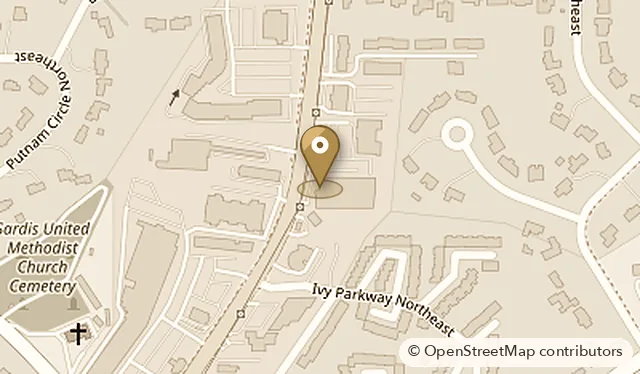
Monday to Friday 8:30 AM to 5 PM; Saturday 8:30 AM to 2:30 PM
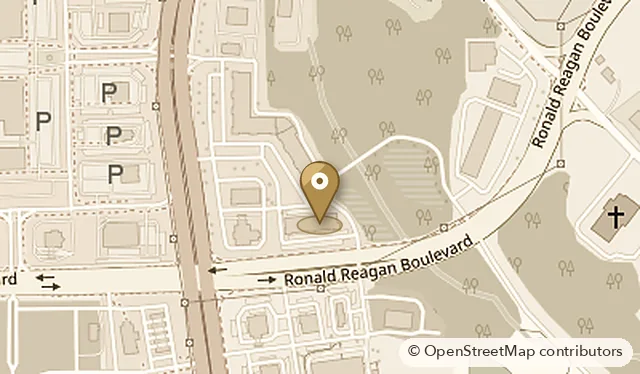
Monday to Friday 8:30 AM to 5 PM; Saturday 8:30 AM to 2:30 PM
Maps © OpenStreetMap contributors.
Keep exploring
Your first step
Book a consultation in Buckhead or Cumming and leave with a plan that fits your face, your goals and your budget.
This page is general education and is not medical advice. It does not replace an in-person consultation. Whether a treatment suits you, and what result is realistic, depends on your health history and an examination. Results vary from person to person.
Derm Clinic MD · Last updated October 2026.