
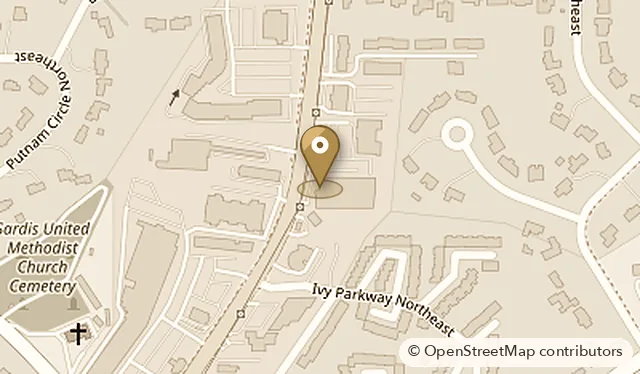
Atlanta (Buckhead)
3833 Roswell Rd NE, Tuxedo Atrium, Suite 108Atlanta, GA 30342
Floor 1 of the Tuxedo Atrium
Monday to Friday 8:30 AM to 5 PM; Saturday 8:30 AM to 2:30 PM
Skin quality
Microneedling uses very fine needles to make tiny punctures, and your skin responds by building new collagen. It is used for indented acne scars, fine lines and uneven texture, and Derm Clinic MD offers it with the SkinPen device. Expect a few days of redness, a series of visits and gradual change over several months. It may not suit everyone, including people who are pregnant.
Treated by Dr. PaymanBuckhead and Cumming
What it treats
Microneedling is commonly used for indented acne scars, fine lines and uneven texture. Tiny needle punctures prompt your body to build new collagen as they heal, which is why it is also called collagen induction therapy. The FDA has authorized microneedling devices to improve the look of facial acne scars, facial wrinkles and abdominal scars in adults aged 22 or older.
The American Academy of Dermatology (AAD) says dermatologists also use microneedling for dark spots, large pores, melasma, stretch marks and sagging skin. Those uses go beyond the three the FDA has authorized, so they are off-label, and the FDA says it may not have reviewed a device for every part of the body. If your goal falls outside the three authorized uses, ask how it would be handled.
At Derm Clinic MD, microneedling is done with the SkinPen device. In March 2018 the FDA granted authorization to the SkinPen Precision System to improve the look of facial acne scars in adults 22 or older. The FDA's review describes a sterile, single-use needle cartridge that locks so a used one cannot be reattached. Ask the office which model it uses.
Results
Results build slowly as new collagen forms, so most people need a series and several months. The AAD describes 3 to 5 treatments for acne scars and says studies found this plan can fade scars by 50% to 70%. The FDA's smaller SkinPen Precision study found blinded graders saw some improvement in 11 of 20 people (55%) six months after three treatments. Results vary.
That FDA study was small and single-center, with no untreated comparison group: 20 adults with acne scars had three treatments a month apart. At six months, two blinded dermatologists grading photos found some improvement in 11 of 20 people (55%), including a full grade in 7 (35%), and no change in the other 9. On a 0 to 4 scale the average score moved from 2.80 to 2.35. One month after the last treatment, graders saw improvement in 40% and worsening in 20%; none were worse at six months. Eighteen of 20 said their scars looked at least somewhat better.
Results fade as you lose collagen, the AAD says, and a maintenance session about once a year may be suggested. For a week-by-week picture of healing, see our guide to microneedling results over time.
Is it right for you?
Microneedling suits adults 22 and older who want to soften acne scars, fine lines or rough texture and can protect their skin from the sun while it heals. It may not suit you if you are pregnant or breastfeeding, have an active skin infection or cold sore, heal poorly, or have taken isotretinoin recently. Your physician makes that call at the consultation.
Isotretinoin and skin tone need extra care. Sources differ on isotretinoin timing: the FDA lists use in the past 6 months, while the AAD says at least one month must pass after your last pill. Share any past use and let your physician set the timing. The AAD describes microneedling as appropriate for all skin tones, while the FDA lists darker skin type among the reasons it may not suit you, citing a risk of darkening or lightening, and notes that some authorized devices were not studied in darker skin types. The FDA's SkinPen Precision review names higher skin types on the Fitzpatrick scale as its main safety concern, with a higher risk of temporary and permanent pigment change and scarring, although the study did include participants with skin types V and VI.
The FDA also lists the conditions below among the reasons microneedling may not be suitable. Tell your physician if any apply to you, and about every medicine and supplement you take.
Tell Dr. Payman first if any of these apply

Who treats you
Board-certified physician with 13+ years in aesthetic medicine. Dr. Payman is the only provider at Derm Clinic MD, and she personally treats every patient. Every plan starts with a consultation, so it is made around your face and your goals.
Georgia medical license 61513 (NPI registry).
Read Dr. Payman's full bioYour visit
Every treatment starts with an in-person consultation, where Dr. Payman reviews your skin, health history and goals. If microneedling fits, the visit follows a few general steps, and you go home the same day with skin that may look red and feel sunburned. The office gives you written aftercare instructions.
The FDA suggests asking your provider about training and experience, how the device is cleaned between patients, and whether a new needle cartridge is used for each patient and each session. It says reusing a cartridge is unsafe.
Cost
Microneedling with SkinPen at Derm Clinic MD ranges from $350 to $700. The office quotes your exact cost at the consultation after the plan is made, since it depends on the area treated and how many sessions your goal needs. Insurance usually does not cover cosmetic treatment, and the AAD says it does not cover acne scar treatment.
Because acne scar plans often run 3 to 5 treatments, ask whether a quoted price covers one visit or the whole series. Gold members receive 10% off other services and skincare, so ask whether that applies to your plan. See pricing and membership, and when you are ready, book a consultation at either office.
Your exact cost
Your total depends on your plan: the areas, the product and how many visits you need. Dr. Payman gives you the full cost at your consultation, before anything is done.
Gold members get 10% off other services and skincare. About the membership.
Compare
Microneedling works below the surface by prompting collagen, a chemical peel removes outer skin layers with acid, and laser resurfacing removes or heats skin with light. RF microneedling delivers radiofrequency energy through the needles and is a separate treatment that is not on Derm Clinic MD's list.
Our guide to microneedling versus a chemical peel explains how the two compare and when they are combined. Look at chemical peels for surface tone and at laser resurfacing for deeper change with more healing time.
Safety
Common effects are redness, dryness, tightness, itching, peeling, discomfort, burning, bruising, bleeding and crusting. The FDA lists less common risks: darker or lighter patches, lines on the face, a cold sore flare-up, swollen lymph nodes and infection. It says some side effects may be permanent, though most appear soon after treatment and resolve. The AAD adds that an untrained provider raises the risk of infection, scarring or lasting discoloration.
The FDA's SkinPen Precision review gives a sense of scale, though the study was small. Among 41 participants (20 treated with the SkinPen Precision and 21 with a prototype), redness, itching, peeling or tenderness was reported by 31%, dryness by 12%, burning by 9%, rough skin by 7% and tightness by 4%, each lasting no more than 6 days. At six months no adverse events persisted. One participant (2.4%) developed mild linear marks (striae) on the face that the review judged possibly related to the device and thought due to sun exposure soon after treatment, against study instructions; they resolved.
Call the office if bleeding lasts longer than 24 hours, blisters form or swelling lasts longer than a week, as the Cleveland Clinic advises. Call sooner for signs of infection, which the FDA review describes as increasing redness, warmth, itching or pus. If you have a darker skin tone, ask about your provider's experience with it.
Patient reviews
“Once I met with Dr Arshia Paymen I never felt rushed, she took the time to listen to all my concerns and explained it all in a way that was easy to understand.”
“Dr. Payman was very friendly and explained everything thoroughly.”
“She takes time to truly listen to you and explains her treatment plan with great clarity.”
Excerpts are quoted word for word from public Google reviews of Derm Clinic MD. Individual results vary.
Questions
Short answers here. Your own plan, product and cost are set with Dr. Payman at your consultation.
Ask at a consultationNo. The FDA describes aesthetic microneedling devices like the SkinPen as using needles to mechanically puncture the skin. RF microneedling sends radiofrequency energy through electrode needles and is not on Derm Clinic MD's treatment list. In October 2025 the FDA warned of serious complications with certain RF uses, including burns, scarring, fat loss, disfigurement and nerve damage.
Yes, in acne scar trials. A 2024 analysis of 24 trials found combinations did better than microneedling alone, with the peel combination ranking highest and no significant difference in side effects. The FDA says microneedling devices are not approved to deliver blood products such as PRP into the skin, so that pairing is off-label, and that the risks of combining devices with other products are not known.
No. The FDA authorization covers adults aged 22 or older and does not list an upper age. Participants in the SkinPen Precision study were 23 to 60. Your skin and health history matter more than your age; see our results guide.
The AAD lists stretch marks among the concerns dermatologists treat with microneedling, but they are not among the FDA-authorized uses: facial acne scars, facial wrinkles and abdominal scars, so treating them is off-label. The FDA says a device may not have been reviewed for every part of the body. Ask the office what it offers for your area.
Ask the office for the device name. The FDA says authorized devices have public summaries in its De Novo and 510(k) databases, and that the 510(k) database can be searched by product code QAI. Each summary lists the areas that device is authorized to treat.
It depends on what you are treating. In a small randomized trial of 60 people with skin types IV to VI and indented acne scars, 73% of the microneedling group improved by more than one scar grade, against 33% given 35% glycolic acid peels. The American Academy of Dermatology lists peels for uneven tone, age spots, melasma and sun damage. One small trial does not settle it for every skin.
Two offices
Monday to Friday 8:30 AM to 5 PM; Saturday 8:30 AM to 2:30 PM
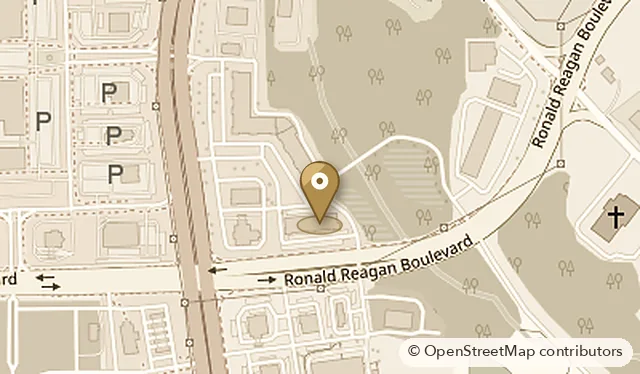
Monday to Friday 8:30 AM to 5 PM; Saturday 8:30 AM to 2:30 PM
Maps © OpenStreetMap contributors.
Keep exploring
Your first step
Book a consultation in Buckhead or Cumming and leave with a plan that fits your face, your goals and your budget.
This page is general education and is not medical advice. It does not replace an in-person consultation. Whether a treatment suits you, and what result is realistic, depends on your health history and an examination. Results vary from person to person.
Derm Clinic MD · Last updated October 2026.