
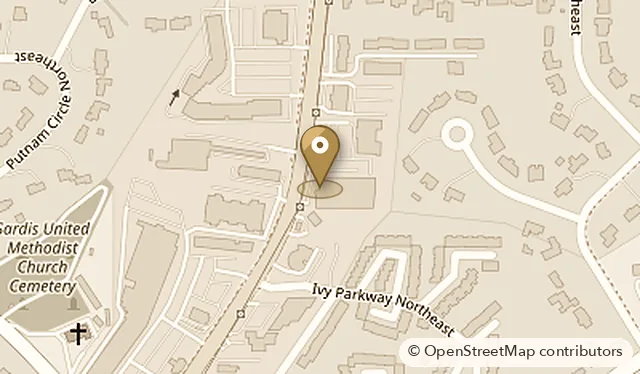
Atlanta (Buckhead)
3833 Roswell Rd NE, Tuxedo Atrium, Suite 108Atlanta, GA 30342
Floor 1 of the Tuxedo Atrium
Monday to Friday 8:30 AM to 5 PM; Saturday 8:30 AM to 2:30 PM
Skin quality
A chemical peel applies an acid solution that removes damaged outer layers of skin so newer skin replaces them. It is used for uneven tone, sun spots, fine lines, rough texture and some acne. A light peel brings redness for 1 to 7 days, then scaling, and often needs a series; a medium peel takes 7 to 14 days to heal. Darker skin tones and sun exposure call for extra planning.
Treated by Dr. PaymanBuckhead and Cumming
What it treats
Chemical peels are used for uneven skin tone, age spots, freckles, melasma, fine lines, rough or dull texture, sun damage and some types of acne, according to the American Academy of Dermatology (AAD). An acid solution removes damaged outer layers of skin, and newer skin replaces them. How much change you get, and how long you heal, depends on how deep the peel goes.
Peels have limits. The Cleveland Clinic says sags, bulges, deep scars, deep facial lines and more severe wrinkles do not respond well to chemical peels. If those are your main concerns, laser resurfacing may fit better, and for indented scars or texture, microneedling is worth comparing. Our guide to microneedling versus a chemical peel explains the choice.
Is it right for you?
Peels suit people with surface concerns such as uneven tone, sun spots or rough texture who can stay out of the sun while skin heals. The Cleveland Clinic says a peel may not be recommended if you have a history of abnormal scarring, have skin conditions or take medications that make your skin more sensitive, or cannot stay out of the sun during healing.
Tell your physician about cold sores, since a peel carries a small chance of reactivating them. Also mention isotretinoin use (current or past), skin that scars easily, every medicine and supplement you take, and every past cosmetic treatment; the AAD asks you to share all of it, even what seems unimportant. Pregnancy, birth control pills or a family history of brownish facial discoloration raise the risk of pigment change, the Cleveland Clinic says, so mention those too, and tell the office if you are breastfeeding.

Who treats you
Board-certified physician with 13+ years in aesthetic medicine. Dr. Payman is the only provider at Derm Clinic MD, and she personally treats every patient. Every plan starts with a consultation, so it is made around your face and your goals.
Georgia medical license 61513 (NPI registry).
Read Dr. Payman's full bioYour visit
Every treatment starts with an in-person consultation, where Dr. Payman reviews your skin, health history, skin tone and goals and plans the peel with you. On treatment day the solution is applied, you feel warmth and stinging for a few minutes, and you leave with written aftercare instructions.
The steps are general. The peel type, strength and number of visits are set at your consultation, and your written aftercare sheet is the version to follow. For a day-by-day look at healing from light and medium peels, see our guide to chemical peel recovery.
Cost
The office quotes your peel cost at the consultation after the plan is made, because it depends on the type and strength of the peel and how many you need. Gold membership at $99 a month includes a chemical peel in your birthday month. Insurance usually does not cover cosmetic peels.
The American Society of Plastic Surgeons says peel prices can reflect the type of peel, the effort involved, the expertise of the person performing it and the geographic location of the office. The AAD says insurance does not cover the cost of cosmetic treatments. For a series, ask for the cost of the whole plan, not one visit. See pricing and membership, and book a consultation when you are ready.
Your exact cost
Your total depends on your plan: the areas, the product and how many visits you need. Dr. Payman gives you the full cost at your consultation, before anything is done.
Gold members get 10% off other services and skincare. About the membership.
Good to know
Depth is how far the acid reaches. A light peel removes only the outermost layer, a medium peel reaches the upper part of the middle layer, and a deep peel reaches the lower middle layer. Deeper peels change more but need longer healing and more care. Which depth suits you depends on your skin, your goals and your calendar.
Light peels are often done in a series: the AAD says 3 to 5 peels may be needed, repeated every 2 to 5 weeks. The Cleveland Clinic says additional medium peels may be repeated at 6 to 12 month intervals if needed. The AAD adds that a person can have only one deep peel, done under general anesthesia in a surgical setting, which is why this page focuses on light and medium peels. Ask the office which depths it offers; your consultation sets the peel, strength and plan.
| Depth | Layers reached | Healing time (AAD) | Makeup (AAD) |
|---|---|---|---|
| Light (lunchtime) | Outermost layer | 1 to 7 days: redness, then scaling for 3 to 7 days | Usually right away, sometimes the next day |
| Medium | Outer layer and upper middle layer | 7 to 14 days: swelling, possible blisters, crusting, peeling | Camouflaging makeup after 5 to 7 days |
| Deep | Down to the lower middle layer | 14 to 21 days, bandaged | At least 14 days |
Good to know
Peels can be used on darker skin tones, but the risk of post-inflammatory hyperpigmentation, a darkening after the skin is irritated, is greater, so peel choice and provider experience matter. The AAD stresses expertise in treating darker skin tones and warns that without it, people with skin of color can develop permanent pigment problems.
In a single-clinic study of 473 superficial peels in people with skin types III to VI, 3.8% had a complication, mostly crusting, darkening or redness, and all resolved within 8 months; skin type VI had about five times the odds of a side effect, though the estimate is imprecise. A 2026 scoping review of seven studies reported that superficial glycolic and salicylic acid peels show promise with good safety profiles, but noted that research is limited by small samples and short follow-up, and that skin types IV to VI are underrepresented. Ask how many peels your provider has done on skin like yours.
Sun protection matters before and after. The AAD says to protect your skin from the sun before a peel and to apply sunscreen daily once you heal, and it recommends SPF 30 or higher, broad-spectrum. Side effects were less common in winter in the study above, so if your summer includes lake days or outdoor sports, plan the active weeks around them.
Safety
Redness, stinging and scaling are expected after a peel, and a medium peel can also bring swelling, crusting and blisters. The AAD also lists persistent redness that may last for months, temporary darkening and, with medium and deep peels, lighter skin color. Scarring is uncommon but possible. The Cleveland Clinic adds a small chance of cold sore reactivation and a rare risk of infection, and says color changes can be temporary or permanent in certain skin types.
The AAD says that when serious side effects occur, it is often because the patient did not follow instructions. Rubbing or scratching treated skin can cause an infection, and skin that dries and cracks can scar. If your skin burns, itches or swells, contact the office, as the AAD and the Cleveland Clinic both advise.
Peels sold for home use are a separate risk. The FDA's 2024 alert warns of severe chemical burns, pain, swelling, infection, skin color changes and disfiguring scars from peel products used without professional supervision.
Patient reviews
“Once I met with Dr Arshia Paymen I never felt rushed, she took the time to listen to all my concerns and explained it all in a way that was easy to understand.”
“Dr. Payman was very friendly and explained everything thoroughly.”
“She takes time to truly listen to you and explains her treatment plan with great clarity.”
Excerpts are quoted word for word from public Google reviews of Derm Clinic MD. Individual results vary.
Questions
Short answers here. Your own plan, product and cost are set with Dr. Payman at your consultation.
Ask at a consultationPeels can soften fine lines, especially under the eyes and around the mouth, which the AAD lists among the concerns peels treat. Deeper wrinkles, sagging and deep scars do not respond well to peels, according to the Cleveland Clinic. For those, other options such as laser resurfacing may fit better, and the consultation is where that is sorted out.
It depends on your goal. Peels are a common option for uneven tone, sun spots and rough texture, but light peels usually need a series, and the AAD notes that most results are not permanent because skin keeps aging. Ask for the cost and number of visits for the whole plan, and what change is realistic for your skin, before you decide.
Derm Clinic MD offers chemical peels at both offices, in Buckhead and Cumming, after an in-person consultation (see our locations). Whoever you choose, the AAD suggests asking who will perform the peel, how many they have done on people with your skin coloring, what results, downtime and risks to expect, what it costs, and whether you can see before-and-after photos.
The FDA warns against purchasing or using chemical peel products without professional supervision. It says the agency has not approved any chemical peel products, and that some products sold for home use contain acid strengths the agency says are too high to use safely at home without supervision. Have a peel done by a licensed, trained provider, in the office, with a plan for aftercare.
Peels are used for some types of acne and for mild scarring, the AAD and Cleveland Clinic say. Derm Clinic MD does not provide acne medication visits, so see a dermatologist if your acne needs prescription treatment. For indented acne scars, see our acne scar treatment page.
A peel may be one part of a plan. The AAD says the most effective melasma treatment often combines sun protection with medications you apply to the skin, and sometimes a procedure such as a peel. It also says sun protection helps prevent melasma from returning. The AAD says a dermatologist can often diagnose melasma by examining your skin, so confirm the diagnosis before you start a peel series.
The Cleveland Clinic says that as the solution is applied you may feel a warm to somewhat hot sensation for a few minutes, then stinging that a cool compress may relieve. For a medium peel it lists redness, swelling, stinging and flaking afterward. Deep peels differ: the Cleveland Clinic and the American Academy of Dermatology both say you receive general anesthesia, and the AAD says they are done in a surgical setting. Neither page rates the pain, so ask the office how it keeps you comfortable.
Two offices
Monday to Friday 8:30 AM to 5 PM; Saturday 8:30 AM to 2:30 PM
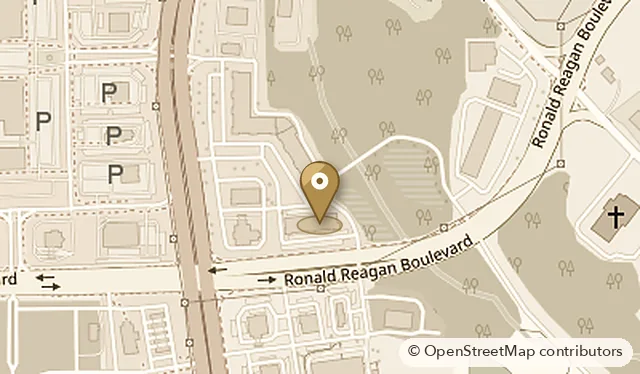
Monday to Friday 8:30 AM to 5 PM; Saturday 8:30 AM to 2:30 PM
Maps © OpenStreetMap contributors.
Keep exploring
Your first step
Book a consultation in Buckhead or Cumming and leave with a plan that fits your face, your goals and your budget.
This page is general education and is not medical advice. It does not replace an in-person consultation. Whether a treatment suits you, and what result is realistic, depends on your health history and an examination. Results vary from person to person.
Derm Clinic MD · Last updated October 2026.