

Atlanta (Buckhead)
3833 Roswell Rd NE, Tuxedo Atrium, Suite 108Atlanta, GA 30342
Floor 1 of the Tuxedo Atrium
Monday to Friday 8:30 AM to 5 PM; Saturday 8:30 AM to 2:30 PM
Skin quality
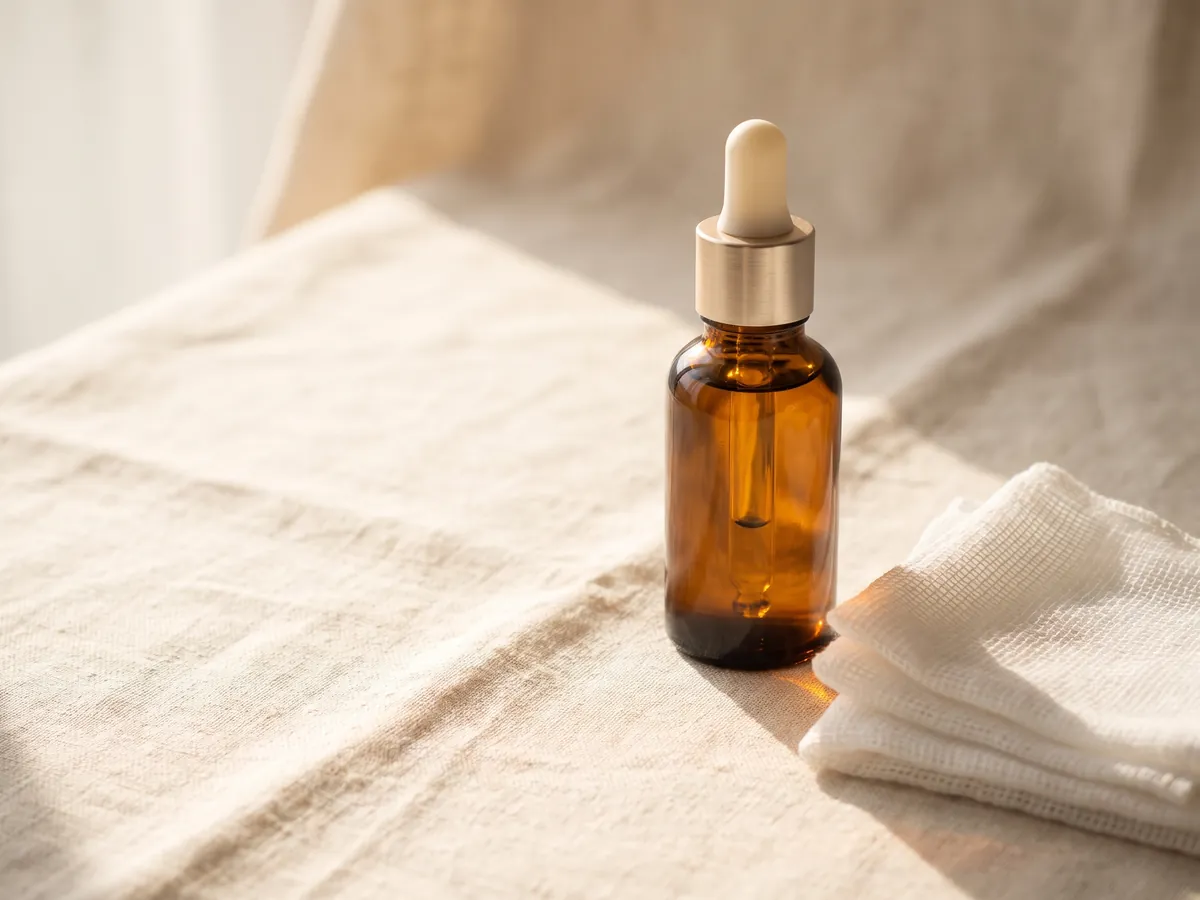
Medical-grade skincare is a physician-guided at-home routine built on a few ingredient categories with evidence behind them: daily sunscreen, a retinoid, vitamin C and a moisturizer. "Medical-grade" is a common phrase, not an FDA category. These products protect skin and support in-office treatments, but none replaces them. Prescription products such as tretinoin need a physician's prescription, which follows a consultation.

Treated by Dr. PaymanBuckhead and Cumming
What it treats
It protects skin from sun damage and, with steady use, can gradually improve tone and fine lines. The core categories are sunscreen, a retinoid, vitamin C and a moisturizer. None works overnight, none replaces in-office treatment, and the gains come from steady daily use rather than a long shelf of products.
Sunscreen is the foundation. The AAD says some sunscreens can prevent sunburn, reduce skin cancer risk and help prevent early signs of skin aging; look for broad-spectrum, SPF 30 or higher and water resistant on the label. An AAD article says tretinoin, a retinoid, speeds turnover of surface skin cells and boosts collagen, which improves tone and fine lines. Vitamin C is studied for wrinkles and uneven color, and a moisturizer holds water in the skin and eases the dryness that retinoids can cause.
Change is slow. The label for one prescription tretinoin 0.02% cream covers a single use, easing fine facial wrinkles. Two of its five 24-week trials adequately showed that benefit, and the label says it has not shown one for coarse wrinkles, roughness, dark patches or skin laxity. For visible lines from muscle movement or lost volume, see Botox and dermal fillers.
Is it right for you?
Be careful or wait if you are pregnant or breastfeeding, have a sunburn, eczema, heavy redness or inflammation, a history of skin cancer or sun-damage growths, or take medicines that make skin sun-sensitive. Retinoids are the main concern: the AAD says they should not be used during pregnancy. Acne, rashes and skin disease are medical dermatology, so see a dermatologist for those.
The label for that cream says it should not be used during pregnancy, that treatment may be postponed in nursing mothers, that it should not be given with photosensitizing drugs such as thiazides and tetracyclines, and that it can cause severe irritation on eczematous skin. It also says people with sunburn should wait until fully recovered, that people with visible actinic keratoses or a history of skin cancer were excluded from its trials, so benefit and safety are unknown for them, and that safety under 18 is not established. If you take a listed medicine, tell the physician rather than stopping it. An AAD article quotes a dermatologist saying people with a lot of redness or inflammation should avoid retinoids.
Skin of color needs thought, not exclusion. The same AAD article quotes a dermatologist saying irritation can trigger dark marks, and that starting slowly with a moisturizer helps. The label's one study in darker skin (107 people) found fewer people improved with the cream than with plain cream (29% vs 43%), which the label says may reflect the small size of the study. Tell the physician about every product and medicine you use.

Who treats you
Board-certified physician with 13+ years in aesthetic medicine. Dr. Payman is the only provider at Derm Clinic MD, and she personally treats every patient. Every plan starts with a consultation, so it is made around your face and your goals.
Georgia medical license 61513 (NPI registry).
Read Dr. Payman's full bioYour visit
A skincare consultation covers your skin type, goals, current products, medicines and sun habits. Dr. Payman then recommends a short routine, and if a prescription product is right for you, a physician prescribes it after that conversation. You leave with written directions, and later visits adjust the routine.
Cost
Cost depends on which products your routine includes and how many you choose to use. Derm Clinic MD quotes your cost at the consultation, after the routine is chosen. Because the trials above tested regular use, choose a routine short enough to follow. Gold members receive a member discount on skincare.
See pricing and membership for member savings on skincare. When you are ready, book a consultation at either office to build a routine around your skin, your plans and what you will realistically use.
Your exact cost
Your total depends on your plan: the areas, the product and how many visits you need. Dr. Payman gives you the full cost at your consultation, before anything is done.
Gold members get 10% off other services and skincare. About the membership.
Compare
Randomized trials exist for sunscreen and for one prescription tretinoin cream, evidence for vitamin C is more limited, and moisturizers are practical rather than dramatic. Even where trials exist, effects are modest and take months. A 2025 consensus of dermatologists backed mineral sunscreen, retinoids and vitamin C, though some ingredients rest on expert opinion.
| Category | What the evidence shows | Watch for |
|---|---|---|
| Sunscreen | Randomized trial of 903 adults in Queensland: skin aging 24% less after 4.5 years of daily use than with discretionary use | Water resistance wears off; reapply |
| Retinoid | One 0.02% tretinoin cream's label, 24 weeks, lighter skin: any fine-wrinkle improvement in 60% with the cream vs 39% with plain cream (mild or moderate in 25% vs 12%) | Irritation, sun sensitivity, pregnancy |
| Vitamin C | Review of 7 studies (139 people): smoother, less wrinkled, lighter skin; more studies needed | Long-term use may be needed |
| Moisturizer | AAD: adds moisture and keeps water from leaving skin | Fragrance can irritate dry skin |
The table draws on the Nambour trial in Queensland, Australia, the tretinoin cream label, a vitamin C systematic review and the AAD moisturizer guide. A second vitamin C review found every study combined vitamin C with other ingredients, which limits conclusions about vitamin C alone. Several authors of the 2025 consensus disclose consulting for skincare or aesthetic companies.
Good to know
No. The FDA sorts products as cosmetic, drug or both, based on what they claim to do, and "medical-grade" is not one of those categories. The FDA also says the term "cosmeceutical" has no meaning under the law. Judge any product by its ingredients, the evidence behind them and whether a physician can say who it suits.
The FDA states that cosmetics do not require approval before they go on the market, while drugs generally must receive premarket approval or follow an FDA monograph. Moisturizers and makeup sold with sun-protection claims count as both. A prescription cream such as tretinoin is a drug, and its label states what it is approved to do. For over-the-counter retinol, an AAD article quotes a dermatologist saying there is no standard requirement to disclose the percentage on the label. Ask what a product is meant to do and what study supports it.
Good to know
Skincare prepares skin for treatment and protects the result afterward. Sun protection matters before and after peels, microneedling and lasers, and a moisturizer supports comfort while skin heals. Your provider may ask you to pause certain products for a short time, so ask before using a retinoid around a procedure.
The AAD says a skin care routine for 2 to 4 weeks before microneedling improves your response, may include pausing retinoids for a few days, and includes sun protection. For peels, 'pre-peel priming' can include applying a retinoid, and sun protection helps prevent discolored skin. For lasers, the AAD says a tan or sunburn means treatment cannot go ahead.
Afterward, the AAD advises daily sunscreen once skin heals to help maintain peel results. Do not change a prescription on your own; ask what applies to you. See microneedling, chemical peels, laser resurfacing, acne scar treatment and the Journal guide to chemical peel recovery.
Safety
Irritation is the main risk: redness, dryness, stinging and peeling, plus extra sun sensitivity with retinoids. In the trials behind one prescription tretinoin 0.02% cream's label, almost every participant had some local reaction, and 32% had irritation that was severe, led to a pause or needed a mild steroid cream. Call the office if irritation is severe or does not settle.
About 4% of participants stopped the cream because of adverse reactions. The label warns of heightened sunburn susceptibility, says to use sunscreen and protective clothing, and notes that using more than directed has not been shown to work faster and may cause marked redness, peeling or discomfort. The same AAD article quotes a dermatologist saying retinoids make skin more sensitive to sun, and suggesting a mineral sunscreen with zinc oxide or titanium dioxide for sensitive skin.
Patient reviews
“Once I met with Dr Arshia Paymen I never felt rushed, she took the time to listen to all my concerns and explained it all in a way that was easy to understand.”
“Dr. Payman was very friendly and explained everything thoroughly.”
“She takes time to truly listen to you and explains her treatment plan with great clarity.”
Excerpts are quoted word for word from public Google reviews of Derm Clinic MD. Individual results vary.
Questions
Short answers here. Your own plan, product and cost are set with Dr. Payman at your consultation.
Ask at a consultationYes. A 0.02% tretinoin cream label is marked Rx only, and the AAD lists tretinoin among prescription retinoids, so a physician must prescribe it. Retinol is sold over the counter, and adapalene comes in both forms. Whether a prescription fits you is a physician's decision after a consultation, with your medicines and any pregnancy plans reviewed.
Both are retinoids, a catch-all term for vitamin A-based products. The AAD describes retinol as routinely used for uneven tone, pigmentation and texture and sold over the counter, while tretinoin is a prescription formulation. Over-the-counter labels need not state the retinol percentage.
Peeling and dryness are expected. In the trials behind one tretinoin cream's label, almost everyone had some peeling, dry skin, burning, stinging, redness or itching. An AAD article quotes dermatologists advising a slow start with a moisturizer, and night use with sun protection by day. Call the office if irritation is severe.
Not during pregnancy. The AAD says retinoids should not be used during pregnancy, and the tretinoin cream label says the same. For nursing mothers the label says it is not known whether the drug passes into milk and that treatment may be postponed. Tell the physician if you are pregnant, planning to be or breastfeeding.
Evidence is real but limited. A 2023 systematic review (Correia and Magina) of 7 studies with 139 volunteers found smoother, less wrinkled and lighter skin, but the authors say more studies are needed. Hydration did not beat placebo. Dermatologists in a 2025 Delphi consensus (Alvarez et al.) still recommended it for fine lines and dark spots.
The AAD's label advice is broad-spectrum, SPF 30 or higher and water resistant; its page does not compare mineral with chemical. An AAD article suggests a physical sunscreen with zinc oxide or titanium dioxide for sensitive skin, and a 2025 dermatologist panel listed mineral sunscreen for fine lines and redness, a consensus list rather than a head-to-head test. Pick one you will wear daily.
No. The tretinoin cream label says it does not eliminate wrinkles, repair sun-damaged skin or reverse photoaging. Botox relaxes the muscles behind certain lines and dermal fillers replace lost volume, while skincare protects and refines the skin surface. They can be planned together at one consultation.
Two offices
Monday to Friday 8:30 AM to 5 PM; Saturday 8:30 AM to 2:30 PM

Monday to Friday 8:30 AM to 5 PM; Saturday 8:30 AM to 2:30 PM
Maps © OpenStreetMap contributors.
Your first step
Book a consultation in Buckhead or Cumming and leave with a plan that fits your face, your goals and your budget.
This page is general education and is not medical advice. It does not replace an in-person consultation. Whether a treatment suits you, and what result is realistic, depends on your health history and an examination. Results vary from person to person.
Derm Clinic MD · Last updated October 2026.