
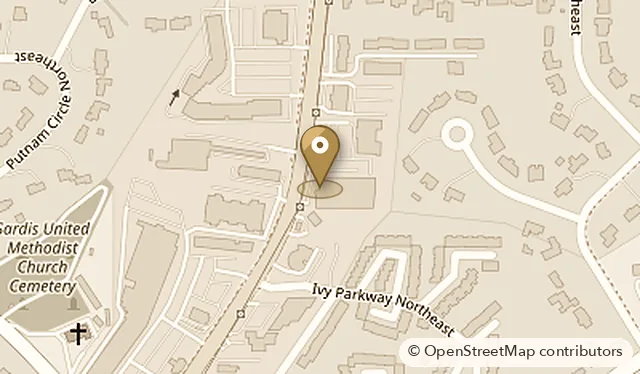
Atlanta (Buckhead)
3833 Roswell Rd NE, Tuxedo Atrium, Suite 108Atlanta, GA 30342
Floor 1 of the Tuxedo Atrium
Monday to Friday 8:30 AM to 5 PM; Saturday 8:30 AM to 2:30 PM
Skin quality
A PRP or PRF facial uses platelets from your own blood, concentrated in a centrifuge and applied to the skin, usually to improve texture, fine lines or scars. The evidence is limited and mixed, and no FDA approval or clearance we found names PRP or PRF for cosmetic skin rejuvenation. Derm Clinic MD offers the facial after an in-person consultation. A series is common, and results vary from person to person.
Treated by Dr. PaymanBuckhead and Cumming
What it treats
A PRP or PRF facial uses platelets from your own blood. Blood is drawn and spun in a centrifuge to concentrate the platelets, and the concentrate is injected or applied to the skin, sometimes with microneedling, to try to improve texture, fine lines, scars and tone. PRP is platelet-rich plasma; PRF is platelet-rich fibrin.
The two are related but not identical. A classification paper sorts platelet concentrates by their white-cell and fibrin content and notes that each method makes a different product with different biology and potential uses. Derm Clinic MD offers a PRP and PRF facial, and the office explains at your consultation which preparation it recommends and how it would be applied. The AAD notes you may also hear it called a vampire facial.
Results
The evidence is limited and mixed. An umbrella review by researchers at Italy's National Institute of Health concluded that the available evidence is insufficient to draw firm conclusions about PRP for facial rejuvenation. Some studies report gains in skin thickness and elasticity, while a small randomized pilot trial found no difference from saline. Expect uncertainty, not a promise.
That umbrella review in Blood Transfusion (2024) covered 13 systematic reviews built on 28 primary studies, 18 of them uncontrolled, and rated confidence in 12 of the 13 reviews as low or critically low. A 2025 systematic review of 20 articles and 514 patients found significant improvement in 80% of studies measuring skin thickness and 75% measuring elasticity, but only 40% for wrinkles, 33% for texture, 17% for pigment and 0% for hydration. No serious adverse events were reported, and the studies that asked patients all reported higher satisfaction.
In a randomized split-face pilot trial at Mayo Clinic Florida, 18 women over 45 received PRP on one side of the face and saline on the other, with microneedling on the whole face. Over 24 weeks the two sides did not differ and neither improved in laxity or lines. The authors said the pilot was too small to rule out a real difference, and that older participants and less sensitive measurements may have played a part. A 2025 review of 14 studies around the eyes found no evidence that either PRP or PRF is better than the other, and PRF gains often faded by 6 months.
Is it right for you?
A PRP facial may suit adults who understand the evidence is limited, want a treatment made from their own blood, and can accept a series with uncertain results. The AAD says it is not recommended for anyone with hepatitis C, HIV or AIDS, any type of blood cancer, cardiovascular disease that requires a blood thinner, or skin cancer in the treatment area.
The Cleveland Clinic says a PRP facelift is not recommended if you have a blood condition that causes excessive bleeding or difficulty clotting, hepatitis C, HIV or skin cancer, or take a blood thinner. Tell your physician about every medicine and supplement you take; your physician decides what applies to you. If your facial includes microneedling, the FDA also lists pregnancy, breastfeeding, an active skin infection, a current cold sore outbreak, isotretinoin use and a tan among reasons it may not be suitable.

Who treats you
Board-certified physician with 13+ years in aesthetic medicine. Dr. Payman is the only provider at Derm Clinic MD, and she personally treats every patient. Every plan starts with a consultation, so it is made around your face and your goals.
Georgia medical license 61513 (NPI registry).
Read Dr. Payman's full bioYour visit
Every treatment starts with an in-person consultation, where Dr. Payman reviews your health history, medicines and goals. If a PRP or PRF facial fits, a small blood sample is drawn and spun in a centrifuge, and the preparation is applied to your face. The office explains the details and gives you written aftercare instructions.
The steps are general. Your plan sets the preparation, how it is applied and how many visits you need, and your written aftercare sheet is the version to follow, so ask the office for specifics.
Cost
The office quotes your cost at the consultation after the plan is made, because it depends on the preparation, how it is applied and how many sessions are planned. Given the limited evidence, ask what a full series would cost and what result you would count as success before you start.
The AAD says researchers have found most patients who get results have 3 or more treatments, so ask for the cost of the whole series. Gold members receive 10% off other services and skincare; see pricing and membership. If your main goal is softening indented acne scars, compare microneedling, which uses devices the FDA has authorized for that purpose. When you are ready, book a consultation at either office.
Your exact cost
Your total depends on your plan: the areas, the product and how many visits you need. Dr. Payman gives you the full cost at your consultation, before anything is done.
Gold members get 10% off other services and skincare. About the membership.
Good to know
No FDA approval or clearance we found names PRP or PRF for cosmetic skin rejuvenation. The FDA has cleared centrifuge systems that prepare PRP, but the clearances we reviewed describe mixing PRP with bone graft in orthopedic surgery or give no clinical use at all, and the FDA says microneedling devices are not approved to deliver PRP into the skin. Facial use goes beyond those cleared uses, which makes it off-label.
The FDA's product classification for PRP preparation systems (product code ORG) defines them as "Preparation of autologous platelet rich plasma from a small sample of peripheral blood for mixing with bone graft to improve handling characteristics." One 2024 510(k) summary in that category says its PRP "has not been evaluated for any clinical indications." For a newer category of centrifuges that prepare cell and plasma concentrates (product code QBV), the FDA's definition says "The safety and effectiveness of this device for in vivo indications for use has not been established."
The FDA's microneedling page says microneedling devices are not approved for delivering blood products such as PRP into the skin. The AAD adds that the FDA classifies PRP as a medical device and that device rules are less demanding than drug rules, which is one reason few studies exist. We found no FDA document that approves or clears PRF for facial use either.
Safety
Common effects are pain, bruising and swelling afterward, and the Cleveland Clinic also lists tingling, itching and changes in skin tone. Because the preparation is made from your blood, the AAD says the biggest risks come from how the blood is handled: unsterile handling can cause infection, and a mix-up with someone else's blood could make you very sick.
In 2024 the CDC reported five people with HIV linked to an unlicensed New Mexico spa: four women who had received PRP microneedling facials there in 2018 and the partner of one. Their virus strains were highly similar, and the CDC calls the transmission presumptive. Investigators found a centrifuge and unlabeled blood tubes on a kitchen counter, no autoclave, and disposable tips cleaned in alcohol and reused. That is a reason to ask questions, not to assume any office is unsafe: ask whether supplies are sterile and single-use, how your blood tubes are labeled, and who handles your sample.
If microneedling is part of your facial, the FDA's microneedling risks also apply, and the Cleveland Clinic advises calling your provider if bleeding lasts longer than 24 hours, blisters form or swelling lasts longer than a week.
Patient reviews
“Once I met with Dr Arshia Paymen I never felt rushed, she took the time to listen to all my concerns and explained it all in a way that was easy to understand.”
“Dr. Payman was very friendly and explained everything thoroughly.”
“She takes time to truly listen to you and explains her treatment plan with great clarity.”
Excerpts are quoted word for word from public Google reviews of Derm Clinic MD. Individual results vary.
Questions
Short answers here. Your own plan, product and cost are set with Dr. Payman at your consultation.
Ask at a consultationUsually. The AAD describes a vampire facial as PRP applied with a syringe or microneedling. The Cleveland Clinic uses the term vampire facelift for PRP injections combined with a hyaluronic acid filler, which is a different treatment with filler risks. Ask exactly what your appointment includes. Our results guide covers PRP added to microneedling.
Reports differ. The AAD says results can last as long as 18 months, and the Cleveland Clinic gives 12 to 18 months for a PRP facelift that includes filler. A 2025 review of PRP and PRF around the eyes found PRF improvements often faded by 6 months. No standard schedule exists, so ask your physician what to expect for your plan.
Most patients who get results have 3 or more treatments, according to the AAD, and the Cleveland Clinic says some providers use three sets, one a month for three months. A 2025 review notes that studies have small samples and that the number of sessions and the interval between them are not standardized, so the right number for you is a judgment call at your consultation.
Expect some discomfort. The AAD says you may have a bit of pain, bruising and swelling afterward, and in the Mayo Clinic Florida trial, which used injections and microneedling, participants reported pain or discomfort and burning or stinging during treatment. Ask the office how it will keep you comfortable and what to expect over the next few days.
Tell your physician first. The AAD says PRP is not recommended for anyone with cardiovascular disease that requires a blood thinner, and the Cleveland Clinic lists taking a blood thinner as a reason a PRP facelift is not recommended. Share your full medicine list at the consultation.
Usually not. The AAD says that because PRP is given to improve a person's appearance, medical insurance does not cover the cost. Ask the office for the total cost of your plan, including every planned session, before you start, so you can decide with the full figure in view.
That depends on your expectations. The research is small and mixed, results vary, and you may need several sessions. Some people choose it knowing the benefit is uncertain. If you want an approach with stronger evidence for a specific problem, such as acne scars, ask about alternatives at your consultation.
Two offices
Monday to Friday 8:30 AM to 5 PM; Saturday 8:30 AM to 2:30 PM
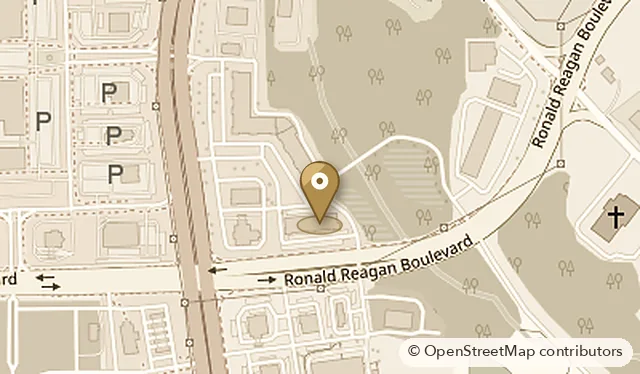
Monday to Friday 8:30 AM to 5 PM; Saturday 8:30 AM to 2:30 PM
Maps © OpenStreetMap contributors.
Keep exploring
Your first step
Book a consultation in Buckhead or Cumming and leave with a plan that fits your face, your goals and your budget.
This page is general education and is not medical advice. It does not replace an in-person consultation. Whether a treatment suits you, and what result is realistic, depends on your health history and an examination. Results vary from person to person.
Derm Clinic MD · Last updated October 2026.