

Atlanta (Buckhead)
3833 Roswell Rd NE, Tuxedo Atrium, Suite 108Atlanta, GA 30342
Floor 1 of the Tuxedo Atrium
Monday to Friday 8:30 AM to 5 PM; Saturday 8:30 AM to 2:30 PM
Hair and wellness
PRP and PRF hair restoration injects a concentrate of platelets from your own blood into the scalp to try to thicken thinning hair, mostly in pattern hair loss. PRP is not FDA-approved for hair loss, so using it this way is off-label, and PRF has even less research. Trials suggest some average gain in hair density, but they are small and vary in method, and results differ. See a physician about the cause first.
Treated by Dr. PaymanBuckhead and Cumming

What it treats
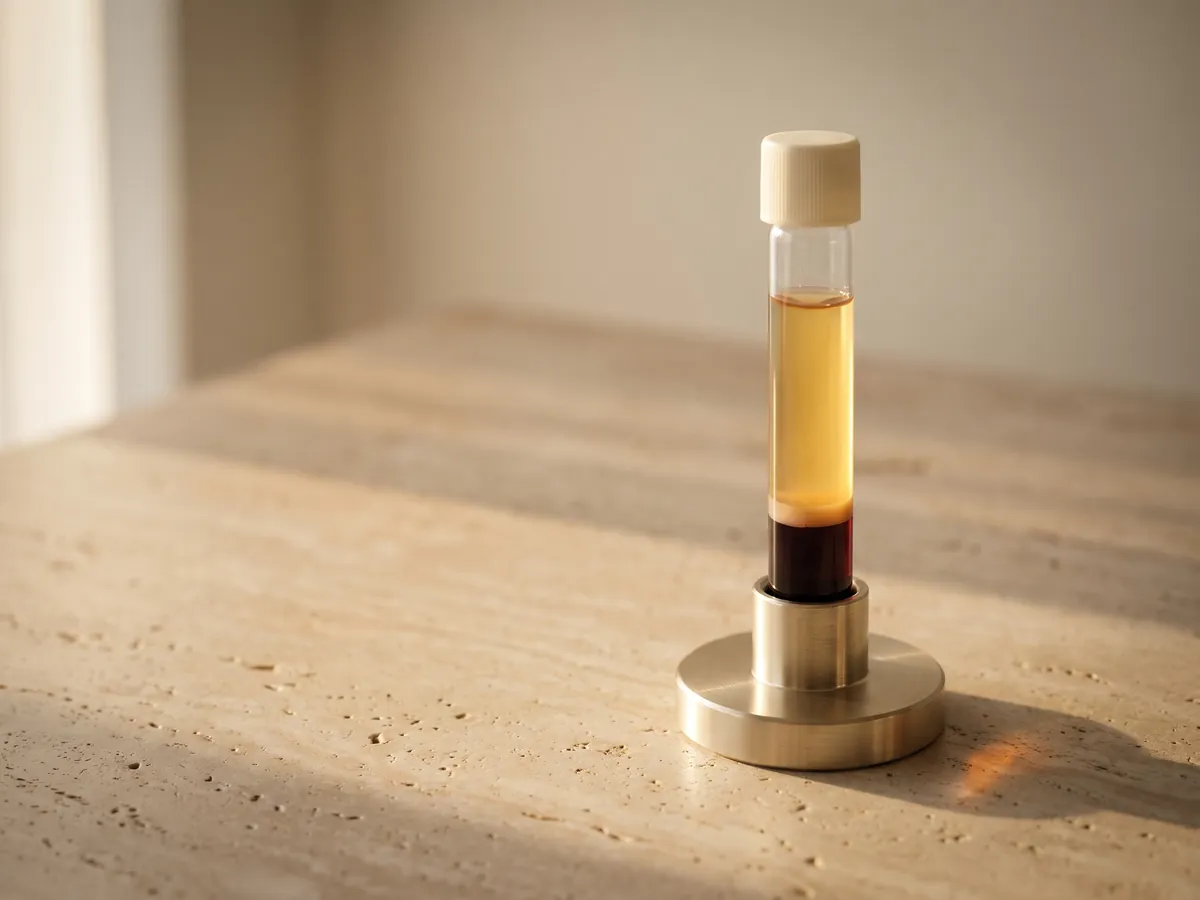
PRP (platelet-rich plasma) and PRF (platelet-rich fibrin) are concentrates made from a small sample of your own blood and injected into areas of thinning scalp. They are used mainly for pattern (androgenetic) hair loss, aiming to slow shedding and improve density. PRP is not FDA-approved for hair loss, so using it this way is off-label, and results vary.
The American Academy of Dermatology (AAD) describes PRP as drawing a small amount of your blood, separating it in a machine and injecting the plasma into the area with hair loss, with repeat injections needed. PRF was developed to overcome limits of PRP, but a 2024 review found no consensus on how it should be prepared and said larger, well-designed studies are needed to confirm any benefit over PRP.
Results
It may help some people, but the evidence is limited. Meta-analyses of randomized trials generally find more hairs per square centimeter after PRP than after placebo in pattern hair loss, yet the trials are small, differ in method and often rate low in quality, and the pooled results show no clear effect on hair thickness. PRF has even less research.
A 2024 meta-analysis of 13 trials found an average gain of about 28 hairs per square centimeter over placebo, with a confidence interval of 14 to 41, but rated the evidence low quality because the studies were highly heterogeneous and showed publication bias. A 2023 meta-analysis of nine trials with 238 patients found higher density than placebo at 3 and 6 months but no significant difference in hair count or diameter. A 2025 review of 43 trials, whose authors disclose that they work for a dental implant company that also researches a plasma-rich-in-growth-factors technology, rated the evidence moderate for density and reduced hair loss and found no significant effect on thickness.
For PRF, a 2024 systematic review found seven studies with 130 patients across hair and facial uses. Three studies looked at hair and reported better density and growth, but the authors called for larger studies with control groups and longer follow-up. A 2022 review notes there is no standard method for preparing or giving PRP, which helps explain the variable results.
Is it right for you?
Good candidates are adults with pattern thinning whose cause of hair loss has been identified by a physician and who accept that results vary from person to person. Wait, or choose another route, if your hair loss is sudden, patchy or unexplained, or if you have a platelet disorder, significant anemia, an active scalp infection or a cancer under treatment.
The AAD says effective treatment for hair loss begins with finding the cause, and that a blood test or scalp biopsy may be needed when a disease, vitamin deficiency, hormone imbalance or infection is suspected. Its list of causes includes hereditary loss, tight hairstyles, scalp ringworm, alopecia areata and temporary shedding after surgery, high fever, chemotherapy or childbirth. See a physician, and a dermatologist for sudden, patchy or scarring loss, before paying for any hair treatment. Our guide to when to see a dermatologist instead of a med spa explains where that line falls.
A 2022 review lists critical thrombocytopenia, platelet dysfunction, sepsis and local infection as absolute contraindications, and relative ones that include recent NSAID or glucocorticoid use, recent illness or fever, cancer, anemia and tobacco use. Tell the office about every medicine and condition you have, including whether you are pregnant or breastfeeding.

Who treats you
Board-certified physician with 13+ years in aesthetic medicine. Dr. Payman is the only provider at Derm Clinic MD, and she personally treats every patient. Every plan starts with a consultation, so it is made around your face and your goals.
Georgia medical license 61513 (NPI registry).
Read Dr. Payman's full bioYour visit
Every treatment starts with an in-person consultation, where your hair loss history, medications and any lab results are reviewed and the regulatory status and the limits of the evidence are explained before you decide whether to treat. If you go ahead, Dr. Payman plans and performs your treatment, and explains each step.
The AAD says most patients return once a month for three months and then every three to six months, though protocols vary. Follow your written aftercare instructions. For how PRP and PRF are used on facial skin, see the PRP facial page and our post on microneedling results.
Cost
Dr. Payman's published price for PRF hair restoration ranges from $600 to $900. The office confirms what that price covers and quotes your total at the consultation after the plan is made, because protocols call for repeat sessions. For PRP hair restoration, the office quotes your cost at the consultation too. Ask how many sessions the plan includes before you decide.
See pricing and membership for what the site lists. Gold members get 10% off other services, so ask whether that applies to your plan. When you are ready, book a consultation at either office.
Your exact cost
Your total depends on your plan: the areas, the product and how many visits you need. Dr. Payman gives you the full cost at your consultation, before anything is done.
Gold members get 10% off other services and skincare. About the membership.
Compare
Topical minoxidil and oral finasteride (for men) are the FDA-approved drug treatments for pattern hair loss. In nine randomized trials, PRP and minoxidil did not differ significantly in hair density, although people reported higher satisfaction with PRP. So PRP is an option to discuss with a physician, not a proven upgrade.
The 2026 comparison covered nine trials with 451 people and concluded there was no clear advantage for PRP in hair density, terminal hair count or regrowth. Combination data are thin: a 2024 meta-analysis of five trials found better density with PRP plus minoxidil than minoxidil alone, but rated the certainty low to very low, with three trials at high risk of bias. The AAD says minoxidil usually takes 6 to 12 months to show results and must be continued, and that finasteride tends to work better when started early.
Safety
Reported effects are usually mild and short-lived: pain during treatment, bruising or minor bleeding, mild headache, itching, burning, and redness and swelling of the scalp. Infection at the injection site can still occur. A 2023 meta-analysis found no serious adverse reactions, and a 2025 review linked non-activated PRP to more adverse effects. Call the office if redness, swelling or pain gets worse or you develop a fever.
A 2025 review of 43 trials lists localized side effects such as pain and discomfort, minor bleeding, bruising, burning, redness and site-specific infections, and found no significant difference in overall side effects between PRP and control treatments. A 2022 review describes temporary and tolerable pain, mild headache, minimal itching and transient redness and swelling, and says most people can resume normal activities. In the 2023 meta-analysis, two of seven studies reported adverse reactions and none were serious.
Long-term safety is not well established: the analyses above compared results at three and six months. Tell Dr. Payman about every medicine you take, any bleeding or platelet problem and any recent illness before treatment, and follow your written aftercare instructions.
Patient reviews
“Once I met with Dr Arshia Paymen I never felt rushed, she took the time to listen to all my concerns and explained it all in a way that was easy to understand.”
“Dr. Payman was very friendly and explained everything thoroughly.”
“She takes time to truly listen to you and explains her treatment plan with great clarity.”
Excerpts are quoted word for word from public Google reviews of Derm Clinic MD. Individual results vary.
Questions
Short answers here. Your own plan, product and cost are set with Dr. Payman at your consultation.
Ask at a consultationProtocols vary. The AAD says most patients return monthly for three months, then every three to six months. A 2022 network meta-analysis of 25 trials associated more sessions at shorter intervals with better density at six months. Dr. Payman sets a schedule after your consultation.
The American Academy of Dermatology says that within the first few months you may notice you are losing less hair. In a 2023 meta-analysis of PRP trials for hair loss (Zhang et al., Journal of Cutaneous Medicine and Surgery), density was higher than placebo at 3 and 6 months. Hair grows slowly, so judge results over months, with photos, and expect them to differ from person to person.
No. A 2022 network meta-analysis (Gupta and Bamimore, J Drugs Dermatol) states PRP is not FDA-approved for treating pattern hair loss. A 2022 review (Paichitrojjana and Paichitrojjana, Drug Des Devel Ther) adds that any use of PRP other than blood transfusion is off-label, which is not prohibited when a physician uses it to practice medicine. An FDA clearance covers a kit, not a hair-loss treatment: one recent clearance covers extracting platelet concentrate from a small volume of venous whole blood after centrifugation, and its indication does not mention hair. Both sources concern PRP, so ask the office how PRF is regulated for hair use.
That is not established. PRF is the newer preparation, and two 2024 reviews (Shrestha et al., Journal of Cosmetic Dermatology; Mohale et al., Cureus) found small studies, no consensus on how to prepare it and a need for larger, well-designed studies to confirm any advantage over PRP. PRP has more trials behind it. Ask Dr. Payman what the evidence supports for your hair loss.
Trials include women, and one network meta-analysis linked female sex with better PRP results, though that is an association across trials, not a promise. Finasteride is FDA-approved for men only. Hair loss in women has many causes, so a physician evaluation, with blood tests when a deficiency or hormone imbalance is suspected, comes first.
The American Academy of Dermatology (AAD) notes that PRP means returning for repeat injections, and reviews of PRP describe repeat schedules rather than a one-time fix. Meta-analyses of PRP for hair loss, such as a 2023 analysis of nine trials (Zhang et al., Journal of Cutaneous Medicine and Surgery), compared results at three and six months, so long-term outcomes are not well known. Ask your physician how to track your hair over time, for example with regular photos.
Two offices
Monday to Friday 8:30 AM to 5 PM; Saturday 8:30 AM to 2:30 PM

Monday to Friday 8:30 AM to 5 PM; Saturday 8:30 AM to 2:30 PM
Maps © OpenStreetMap contributors.
Keep exploring
Your first step
Book a consultation in Buckhead or Cumming and leave with a plan that fits your face, your goals and your budget.
This page is general education and is not medical advice. It does not replace an in-person consultation. Whether a treatment suits you, and what result is realistic, depends on your health history and an examination. Results vary from person to person.
Derm Clinic MD · Last updated October 2026.