
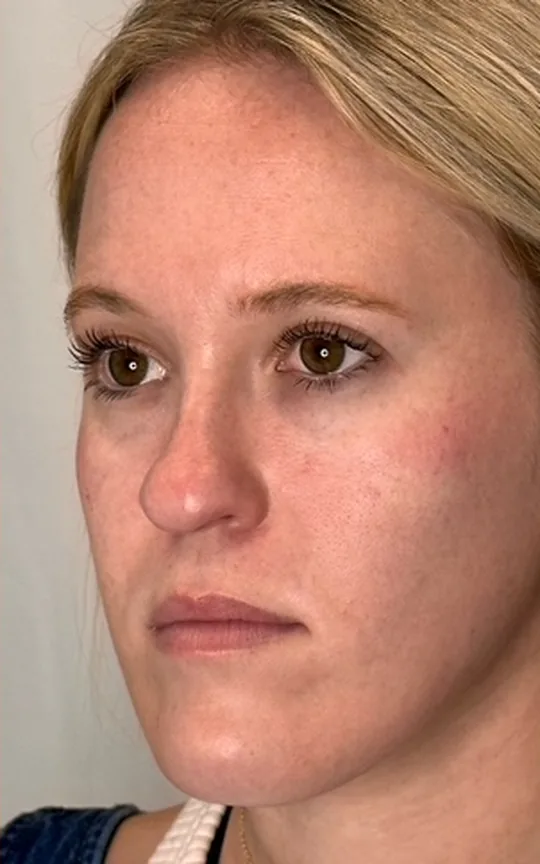
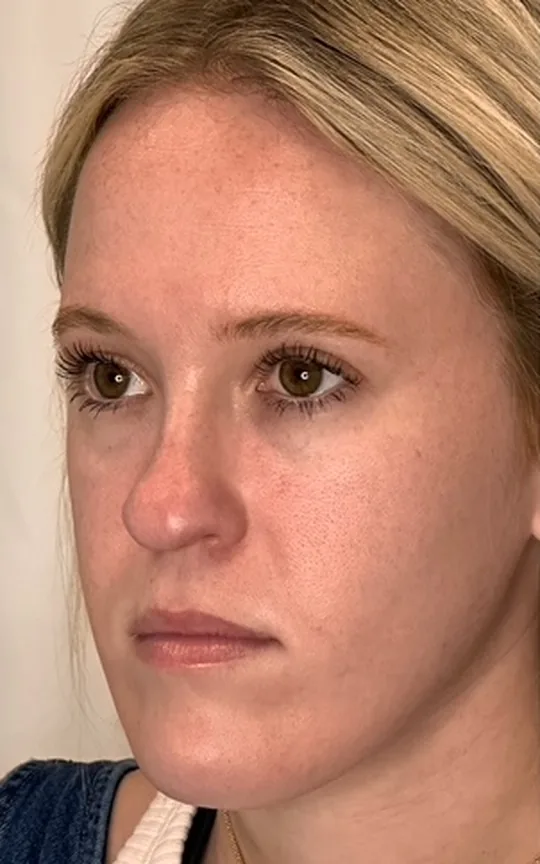
Cheek LiftVoluma cheek fillerHead angle and lighting differ slightly between the photos.
Dermal fillers
Cheek filler is a gel, usually hyaluronic acid, injected to restore midface volume lost with age. The FDA approved Juvederm Voluma XC for cheek augmentation on October 22, 2013, for adults over 21. In its trial, 85.6% of treated people improved at 6 months and 67.1% of those followed still did at 24 months. Swelling and lumps are common, and a blocked blood vessel is a rare, serious risk.

Treated by Dr. PaymanBuckhead and Cumming

What it treats
Cheek filler restores volume to the midface, the area that flattens and hollows with age. Juvederm Voluma XC's FDA-approved cheek use is deep injection for cheek augmentation to correct age-related volume deficit in the midface in adults over 21. Its label now also covers the chin and the temples.
A 2023 review of midface aging concluded that the fat compartments of the midface appear to migrate downward with age, which deepens the grooves between the lower eyelid and cheek. Voluma XC (PMA P110033) is a hyaluronic acid gel with 0.3% lidocaine, approved on the strength of a randomized, no-treatment-controlled trial of 282 people, 235 of them assigned to treatment. It is one of several cheek-approved fillers: the FDA also approved Restylane Lyft for cheek augmentation in 2015, and Sculptra in 2023 for fine lines and wrinkles in the cheek region. Your injector chooses the product for your cheeks at the consultation.
Results
In the FDA trial of Juvederm Voluma XC, evaluators rated at least a 1-point improvement on a midface volume scale in 85.6% of treated people at 6 months (against 38.9% of untreated controls), 85.2% at 12 months and 67.1% at 24 months. The average improvement faded gradually, so keeping the result usually means repeat treatment.
After 6 months the trial had no untreated comparison group, the 24-month figure comes from 167 people still followed (of 235 assigned to treatment), and the FDA's advisory panel judged the later data less rigorous. Most participants chose retreatment, which FDA reviewers read as a sign they saw a benefit. Swelling can hide the final result at first: the label says correction is sometimes hard to judge when there is localized swelling, and in that case it is better to invite the patient back for a touch-up. For how much filler cheeks may need and what it costs, read our cheek filler guide.
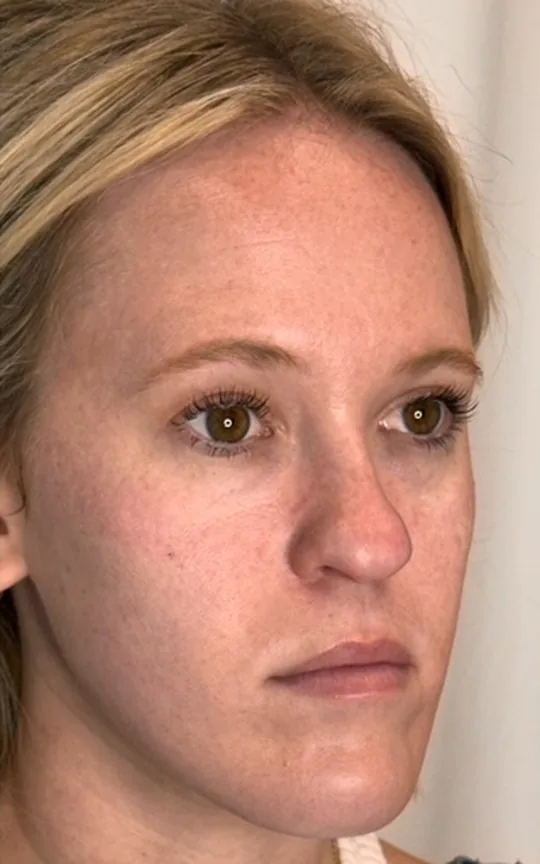
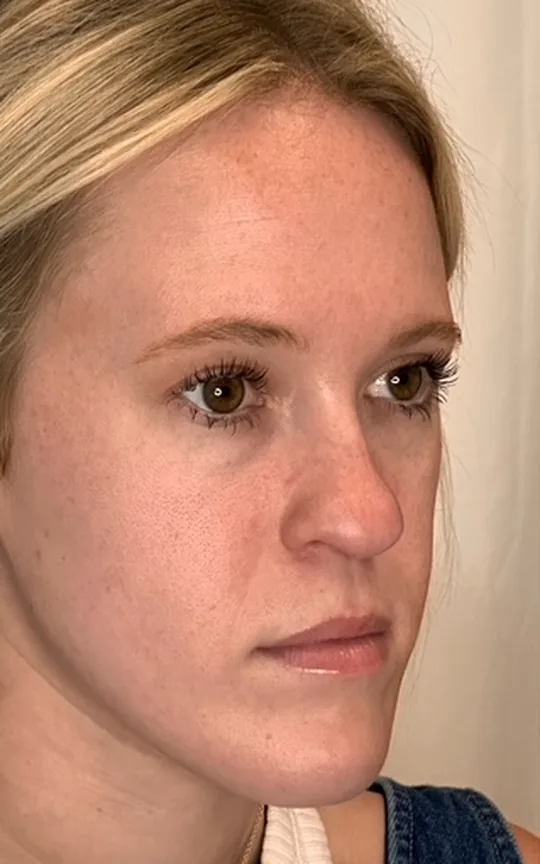
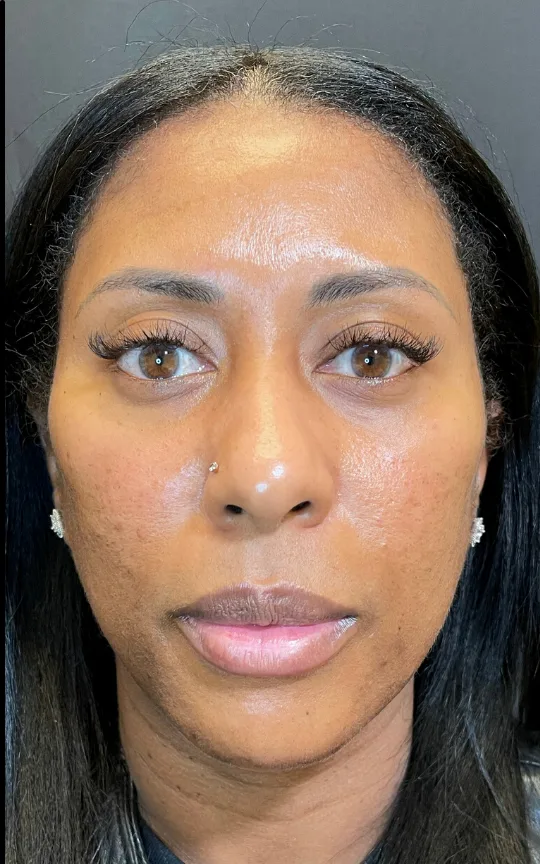
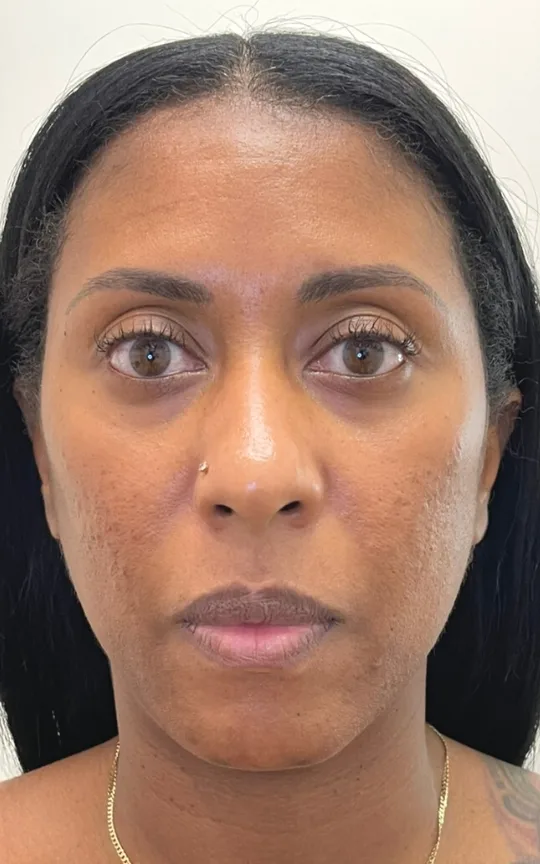
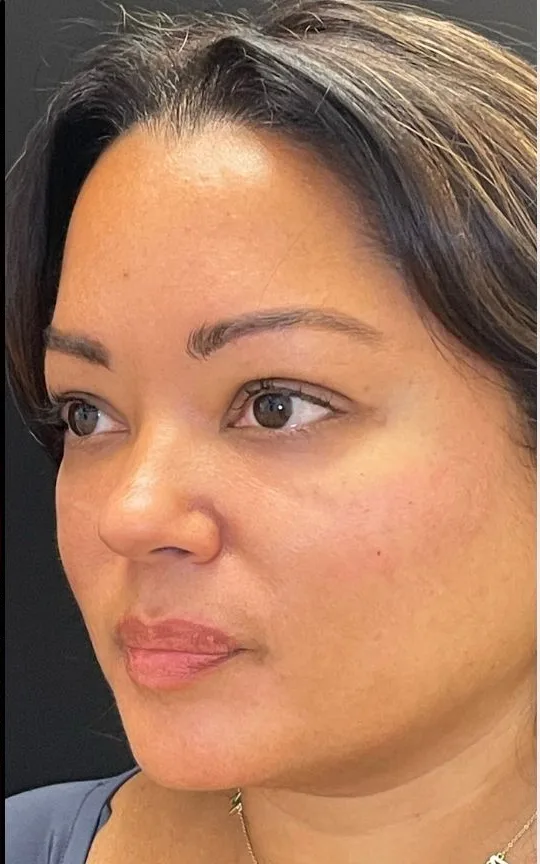
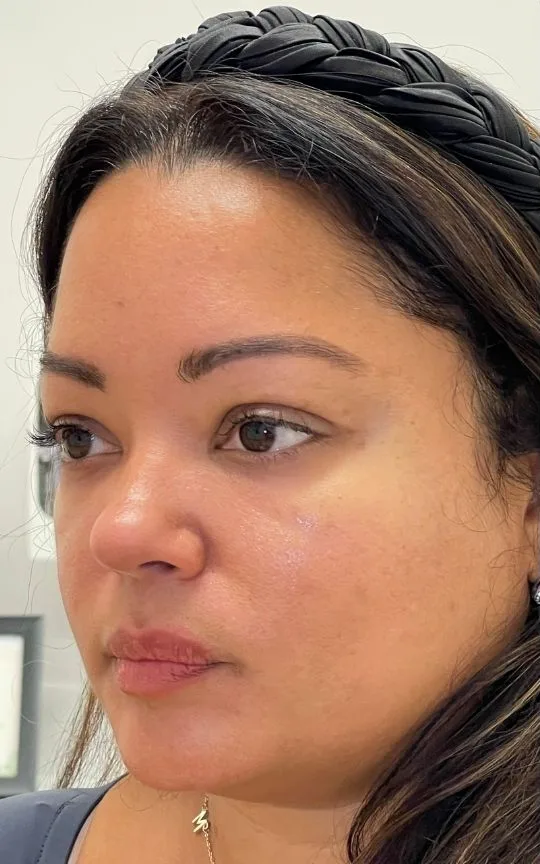
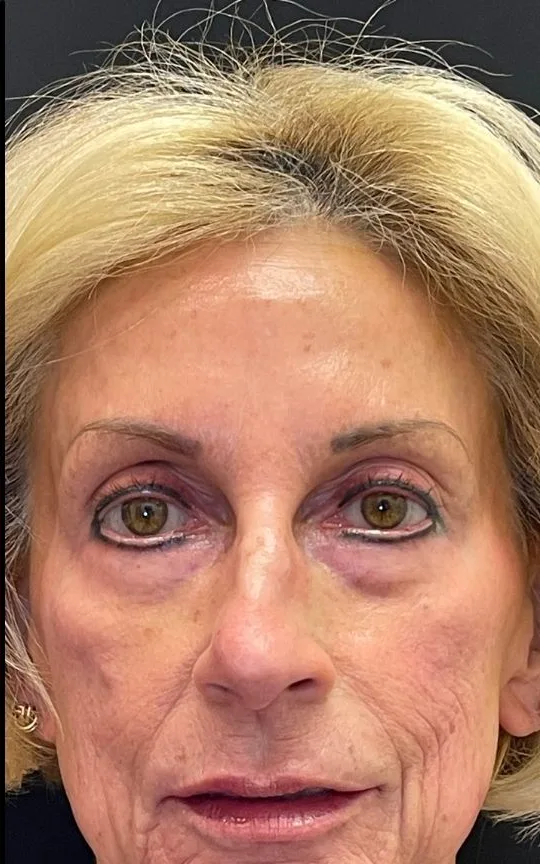
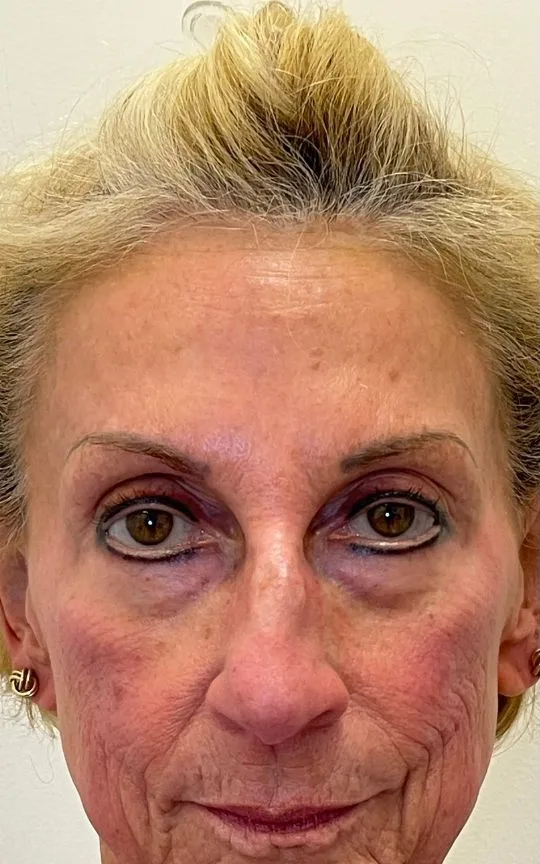
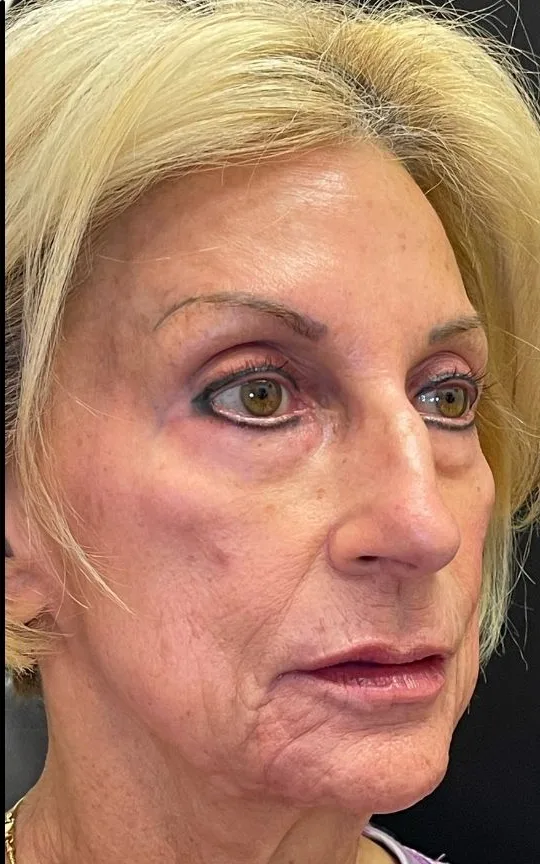
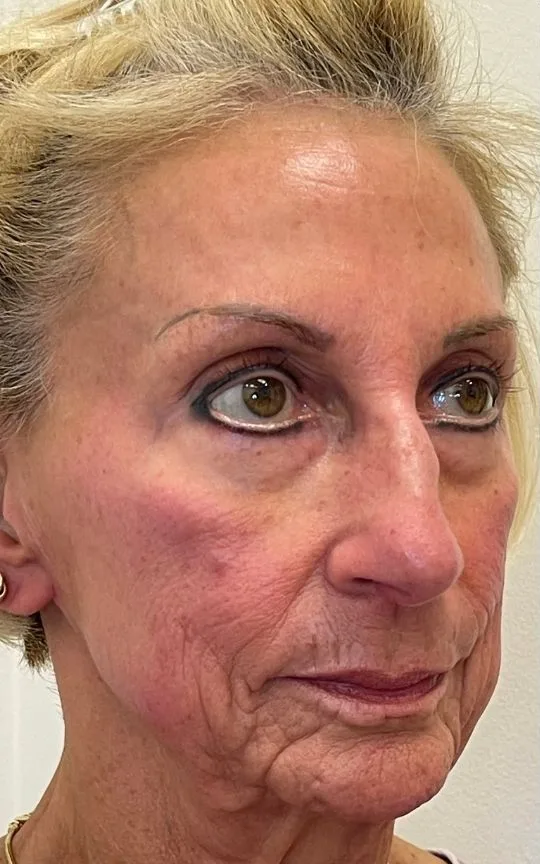
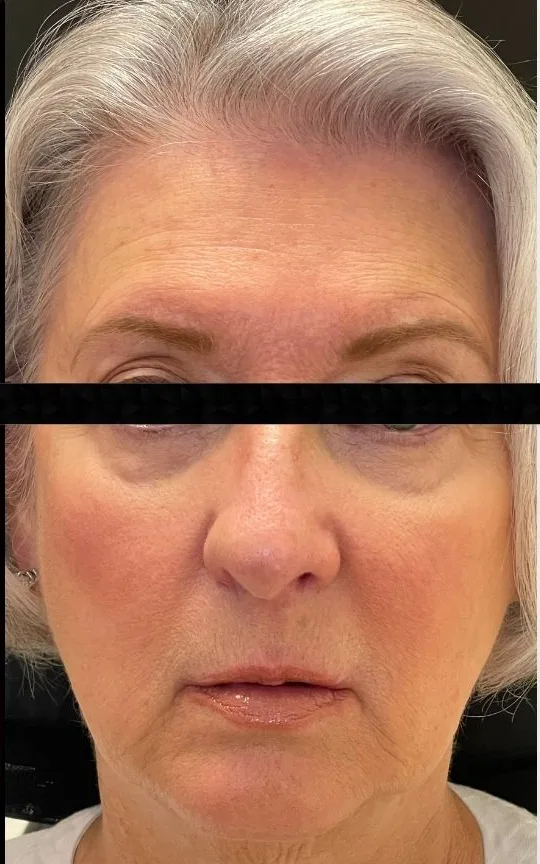
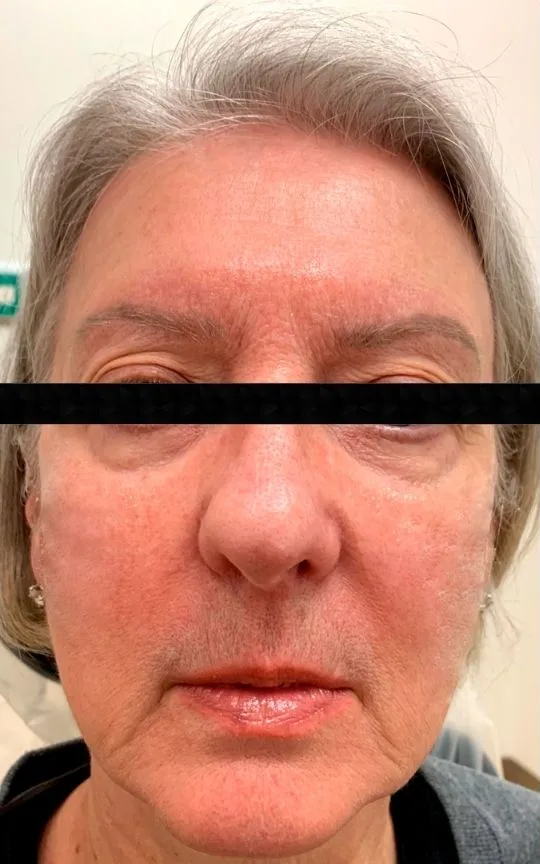
Drag the slider across each photo.Tap any photo to see it larger. These are Dr. Payman's own patients, shown with their written consent. These photos show individual results, not typical or guaranteed ones. Your result depends on your anatomy, the product, how much is used and how many visits you have. The number of visits and the time since treatment are not shown for most sets. See the full gallery.
Is it right for you?
Cheek filler suits adults who have lost midface volume and want it back. The Voluma XC label says cheek safety was established in people 35 to 65, and the FDA trial's median age was 56. Wait, or ask first, if you are pregnant or breastfeeding, have very thin midface skin, or have an active infection or inflamed skin where filler would go.
About 20% of the trial participants were men. The label lists contraindications for a history of anaphylaxis or multiple severe allergies and for allergy to lidocaine or Gram-positive bacterial proteins, and advises caution with immune-suppressing therapy. Aspirin, anti-inflammatory pain relievers and warfarin can increase bruising. If loose skin or heavy jowls bother you more than lost volume, ASPS says fillers cannot achieve the same results as surgery; see the non-surgical facelift page for the options.

Who treats you
Board-certified physician with 13+ years in aesthetic medicine. Dr. Payman is the only provider at Derm Clinic MD, and she personally treats every patient. Every plan starts with a consultation, so it is made around your face and your goals.
Georgia medical license 61513 (NPI registry).
Read Dr. Payman's full bioYour visit
You start with an in-person consultation where Dr. Payman reviews your goals, medical history and allergies and tells you whether cheek filler fits. If you go ahead, you consent, photos are taken, the filler is placed, and you leave with written aftercare instructions. A touch-up visit may be planned.
Cost
Dr. Payman's office quotes your cost at the consultation, after the plan for your face is made. The American Society of Plastic Surgeons put the 2023 national average physician fee for hyaluronic acid fillers at $715 per procedure; it varies by region and provider and does not say how much filler it covers. Health insurance does not cover dermal fillers.
Cheek plans can involve more than one syringe: in the FDA trial of Voluma XC the median total volume injected was 6.6 mL, Voluma XC syringes hold 1 mL each, and 82% of treated people had a touch-up. Those are trial figures, not a recommended amount. The ASPS figure above comes from its 2023 fee table. Gold membership is $99 a month, saved toward dermal fillers; see membership and pricing, or book a consultation at either office.
Gold membership
$99 a month, saved toward Botox, Jeuveau or dermal fillers
Six-month minimum, then month to month. A $99 fee applies if you cancel before six months.
Compare
Hyaluronic acid cheek filler can be reversed with hyaluronidase. Sculptra builds over several weeks, and its 2023 FDA approval is for fine lines and wrinkles in the cheek region rather than for volume loss in general. Surgery, such as a cheek implant or facelift, is a different category that this office does not offer.
The FDA's filler page says the safety of fillers used together with neuromodulators or other treatments has not been evaluated in a controlled clinical study, so the order and timing of a combined plan is a decision for the consultation. The Journal's liquid facelift guide explains how combined plans are built.
Safety
Local responses are expected: in the Voluma XC trial 98% of people had at least one, such as tenderness, swelling, firmness, lumps or bruising, usually lasting 2 to 4 weeks, and 19.2% of them rated their worst response severe. The rare serious risk is a blocked blood vessel, which the label says can cause skin necrosis, vision loss or stroke.
About 20% of people had a response that lasted beyond 30 days, most often a lump or firmness. Two of 270 treated people (0.7%) had serious device-related events about 6 to 7 months after treatment: one had inflammation under the eye, after a scratch near the treated area, and nodularity in a cheek, and the other had lumps in the cheeks a couple of days after muscle pain and body aches. All resolved, with treatment that included hyaluronidase. The label also warns of late-onset nodules and says side effects were more frequent with larger injected volumes and older age.
The Voluma XC label says vision abnormalities have been reported after injection into the nose, glabella, periorbital area or cheek, with onset from immediately to 1 week afterward, and its list of reports after approval includes infection, abscess, skin discoloration, herpes and scarring. Hyaluronidase can treat most HA filler complications, and a 2024 review says a blocked vessel needs immediate treatment. Seek immediate medical attention for unusual pain, vision changes, skin that turns white, gray or blue, or signs of a stroke.
Patient reviews
“She is very kind and pays attention to my requests for minimal treatment”
“I only trust this clinic with my Botox and fillers.”
“Once I met with Dr Arshia Paymen I never felt rushed, she took the time to listen to all my concerns and explained it all in a way that was easy to understand.”
Excerpts are quoted word for word from public Google reviews of Derm Clinic MD. Individual results vary.
Questions
Short answers here. Your own plan, product and cost are set with Dr. Payman at your consultation.
Ask at a consultationVoluma XC is one brand of hyaluronic acid filler, from the Juvederm family, approved for cheek augmentation. Other fillers also carry cheek approvals, including Restylane Lyft, so cheek filler names the area, not a single product. Your injector will tell you which product is planned for you and why. See our dermal fillers hub for how products and areas fit together.
No area is without risk, and the FDA calls a blocked blood vessel the most concerning one. In the American Academy of Ophthalmology review of 198 reported cases of vision loss after filler, the nose was the injection site in 90 of 226 reported injection sites and the cheek in one. Those are case counts, not rates. The Voluma XC label says to use it only with trained, experienced practitioners.
It depends on how much volume you have lost. In the FDA trial of Voluma XC, where 93.6% of treated people had moderate, significant or severe midface volume loss, the median total volume injected was 6.6 mL. Your amount depends on your anatomy and goals, so ask for a written plan that names the product and the amount.
The FDA summary says Voluma XC was effective in all Fitzpatrick skin types studied, for men and women. The label does set limits: safety with a cannula for cheek augmentation has not been established in Fitzpatrick types V and VI, and safety in people prone to keloids, hypertrophic scarring or pigment disorders has not been studied. Raise this at your consultation.
Hyaluronic acid cheek filler can be reversed with hyaluronidase. A 2024 review describes its use for lumps, a bluish tint called the Tyndall effect, allergic reactions and, urgently, blocked vessels. The office offers dissolving filler as its own treatment.
Leave room. In the FDA trial of Juvederm Voluma XC, responses lasted 2 to 4 weeks, about 20% of people had one beyond 30 days, and touch-ups came about 30 days after the first visit. Booking at least a month ahead leaves time for swelling to settle and for a touch-up if you need one. Your injector will advise on your timing.
Two offices
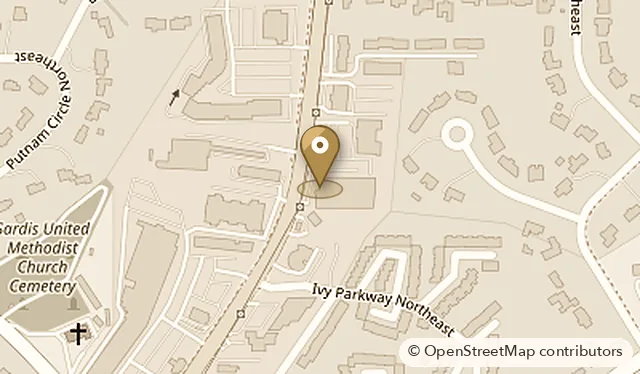
Monday to Friday 8:30 AM to 5 PM; Saturday 8:30 AM to 2:30 PM
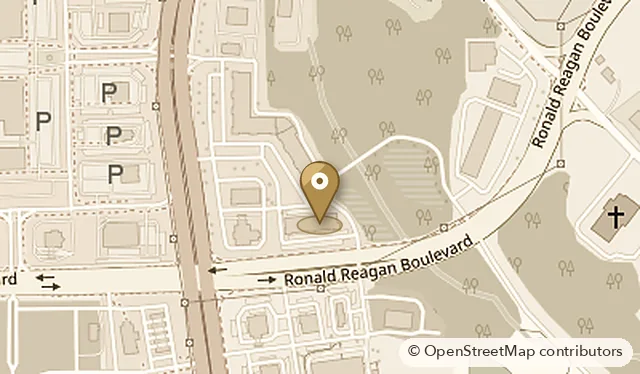
Monday to Friday 8:30 AM to 5 PM; Saturday 8:30 AM to 2:30 PM
Maps © OpenStreetMap contributors.
Keep exploring
Your first step
Book a consultation in Buckhead or Cumming and leave with a plan that fits your face, your goals and your budget.
This page is general education and is not medical advice. It does not replace an in-person consultation. Whether a treatment suits you, and what result is realistic, depends on your health history and an examination. Results vary from person to person.
Derm Clinic MD · Last updated October 2026.