

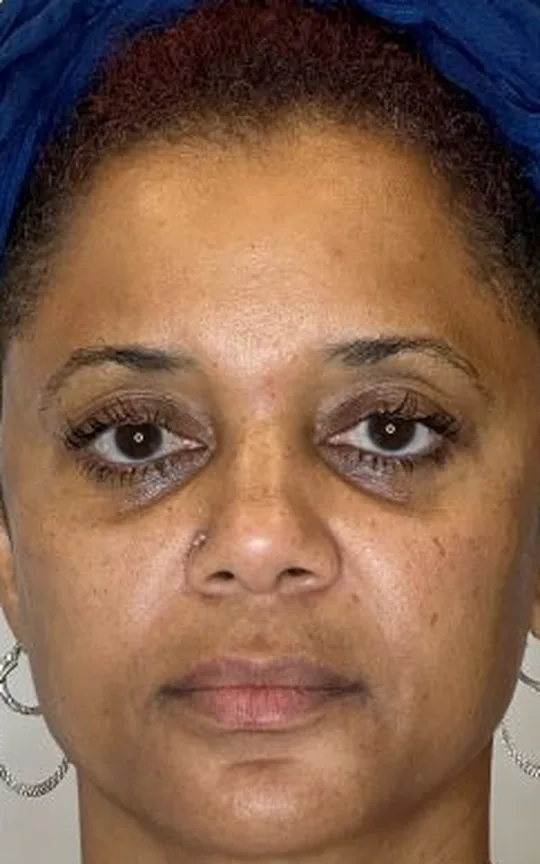
Nonsurgical FaceliftHair, headwear, background and lighting differ between the photos.
Dermal fillers
A non-surgical facelift, also called a liquid facelift, is a plan that combines hyaluronic acid fillers with, for some people, a neuromodulator such as Botox or a longer-lasting filler such as Sculptra. It is not one product or one FDA-approved procedure, and it cannot replicate surgery. It suits volume loss and lines; significant sagging, jowls and loose neck skin are better matched to a surgeon.

Treated by Dr. PaymanBuckhead and Cumming

What it treats
A non-surgical facelift is a custom plan, not a single product. It combines treatments such as hyaluronic acid filler, a neuromodulator and sometimes a longer-lasting filler to restore volume, soften lines and refine contours without surgery. A 2020 review calls nonsurgical facelifts a heterogeneous group of procedures, so two plans with the same name can look very different.
The FDA approves each filler for specific areas, and its patient page says the safety of using fillers in combination with neuromodulators or other treatments has not been evaluated in a controlled clinical study. A 2010 analysis of 'liquid' versus surgical facelifts is a cost study, and its abstract says injectable fillers cannot exactly simulate the benefits of a surgical facelift and that no cost-effectiveness study of filler facelifts had been published.
What it cannot do is replicate surgery. ASPS states that a facelift can only be performed surgically and that minimally invasive treatments cannot achieve the same results, though they may help delay the time at which a facelift becomes appropriate and complement the results of surgery. It also calls some minimally invasive options, such as stem cell facelifts, of unproven benefit, so ask what is in any plan and why.
Before and after
Photos from Dr. Payman's own before-and-after gallery.




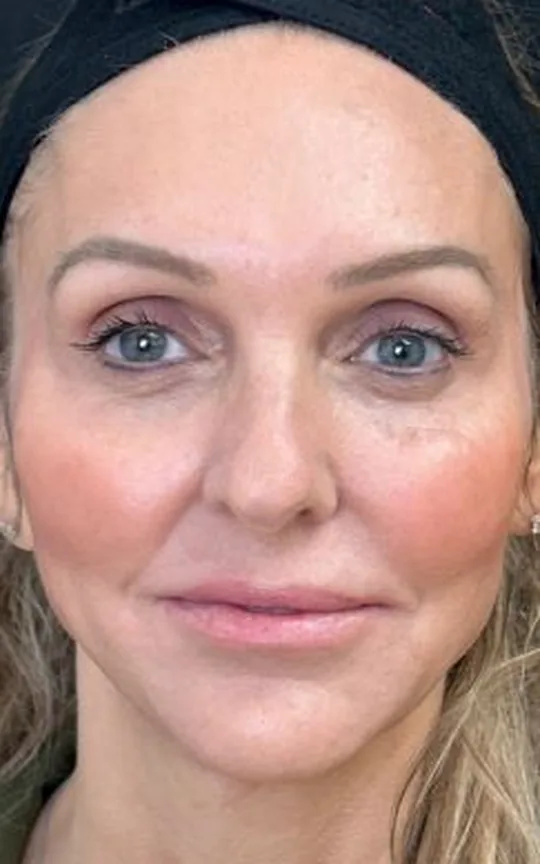
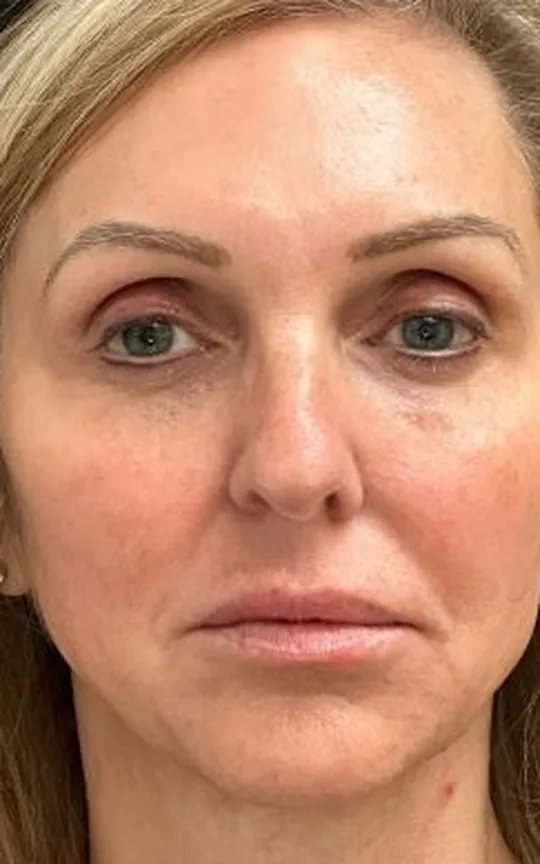
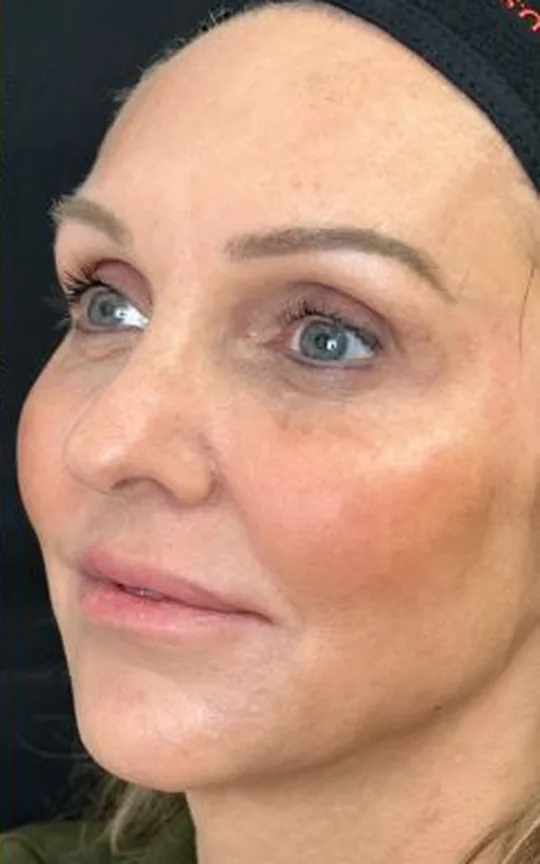
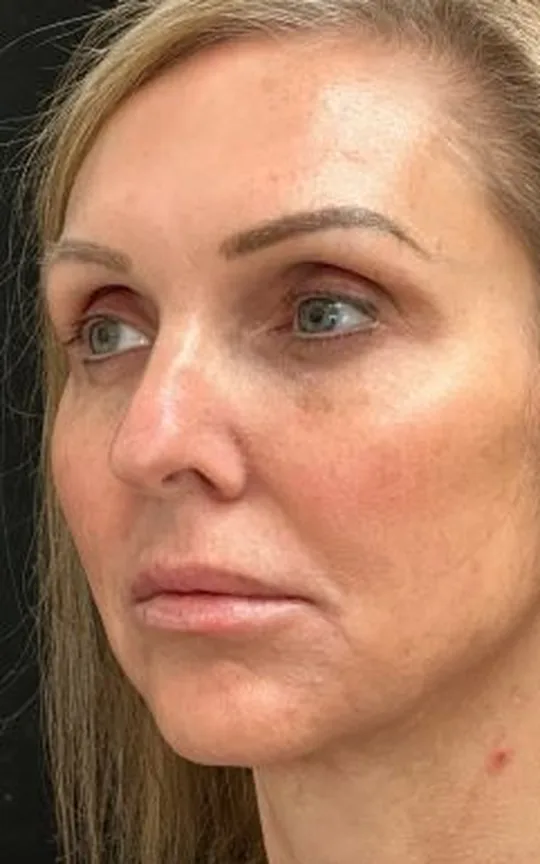
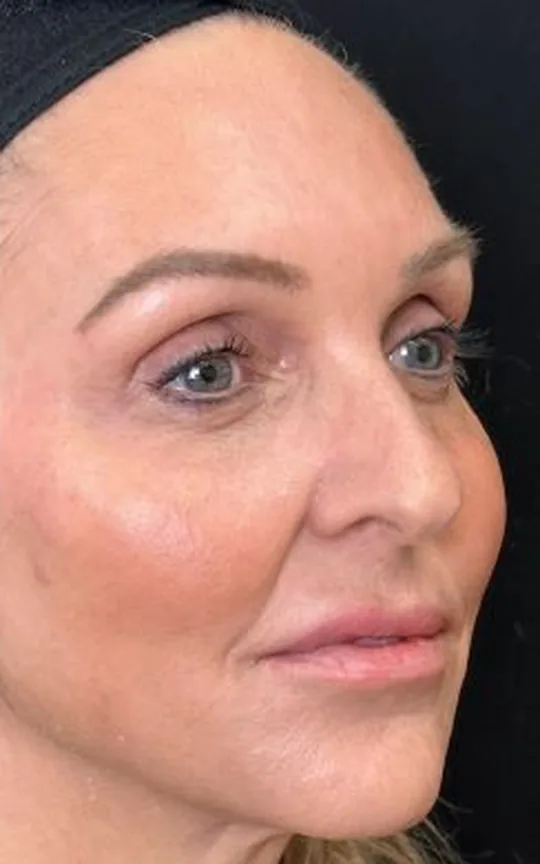
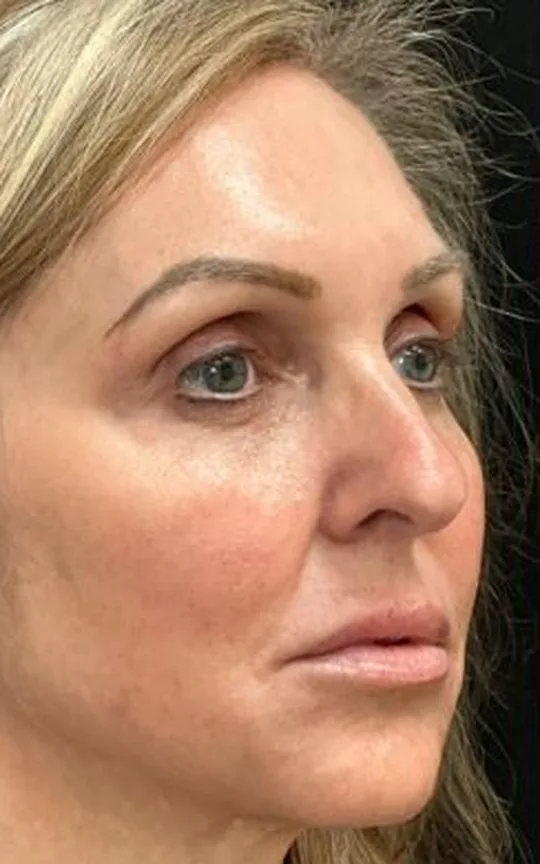
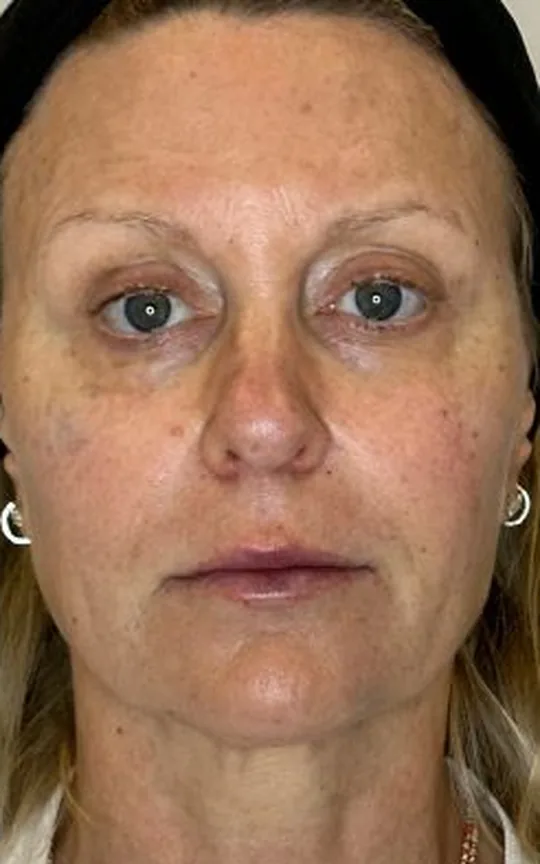
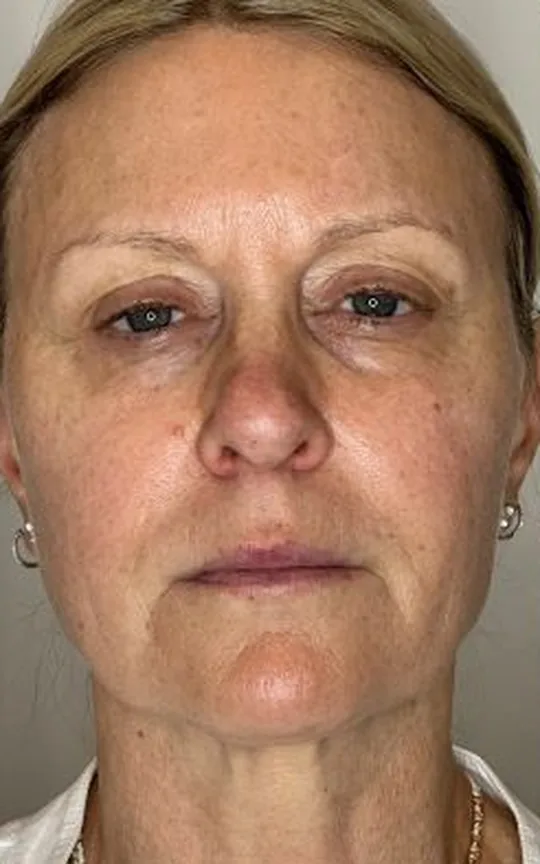
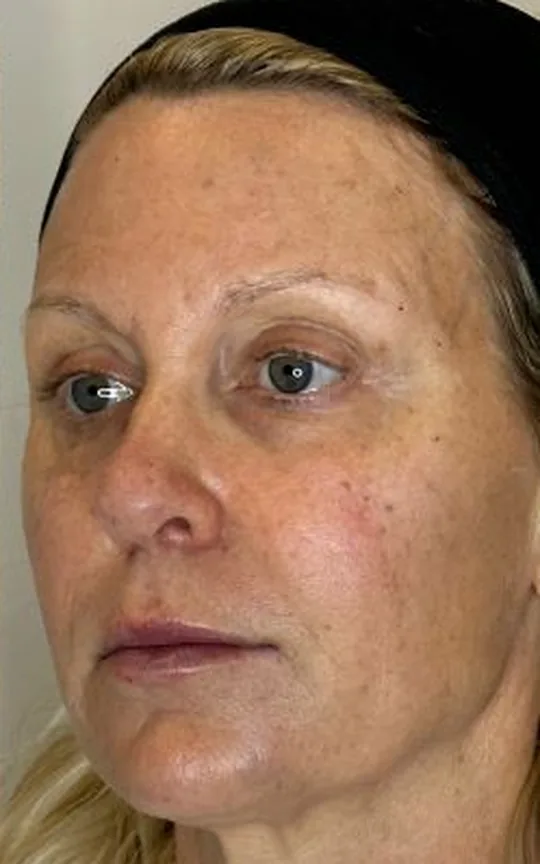
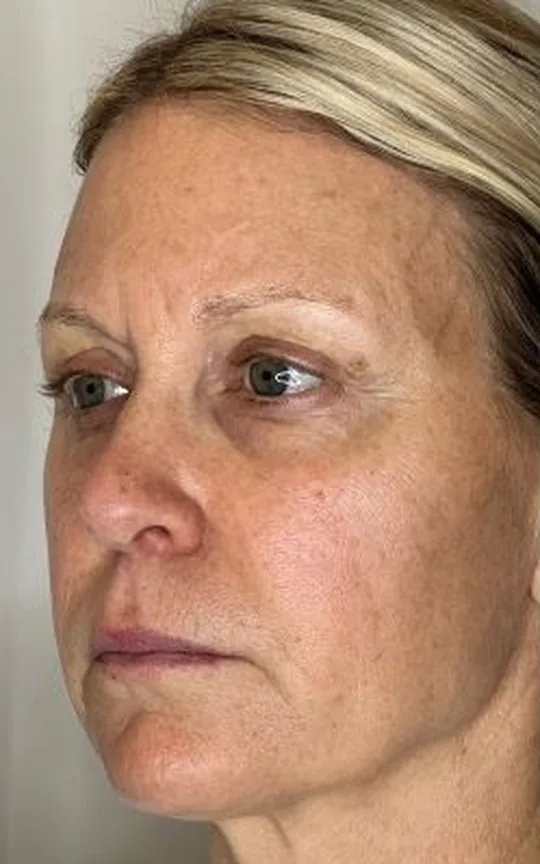
Drag the slider across each photo.Tap any photo to see it larger. These are Dr. Payman's own patients, shown with their written consent. These photos show individual results, not typical or guaranteed ones. Your result depends on your anatomy, the product, how much is used and how many visits you have. The number of visits and the time since treatment are not shown for most sets. See the full gallery.
Is it right for you?
A non-surgical plan fits people whose main concerns are lost volume and lines rather than loose skin, who prefer to avoid an operation and accept repeat treatments. Surgery suits people with significant sagging skin, jowls or loose neck skin better, because ASPS lists those among the changes a facelift treats and says minimally invasive treatments cannot achieve the same results.
In an AAFPRS press release, its president says facelifts tighten loose skin such as jowls or neck, that mini lifts usually give a lesser improvement than a full facelift, and that people who are older or have more extensive age-related changes can get a more dramatic result from a full facelift. ASPS describes surgical candidates as healthy people without conditions that impair healing, nonsmokers, and people with realistic expectations.
Non-surgical plans have their own cautions. The FDA says filler safety is unknown in pregnancy, while breastfeeding and under age 22, and that injection should be delayed during active skin inflammation or infection. The Botox Cosmetic label lists known allergy to any botulinum toxin and infection at the injection site as reasons not to treat, says there are no adequate pregnancy data, and says people with neuromuscular disorders may be at increased risk of serious effects. The consultation is where you find out whether a non-surgical plan is realistic for your face, or whether a surgeon's opinion is worth getting.

Who treats you
Board-certified physician with 13+ years in aesthetic medicine. Dr. Payman is the only provider at Derm Clinic MD, and she personally treats every patient. Every plan starts with a consultation, so it is made around your face and your goals.
Georgia medical license 61513 (NPI registry).
Read Dr. Payman's full bioYour visit
Every plan starts with an in-person consultation. Dr. Payman examines your face, listens to what bothers you and explains which parts of a plan would address it. Ask which uses are FDA-labeled and which are off-label, and what the cost will be, before anything is injected.
Cost
There is no set price, because a plan is a custom mix of treatments, so Derm Clinic MD quotes your cost at the consultation after Dr. Payman makes your plan. For national scale, the American Society of Plastic Surgeons' 2023 statistics put the average physician fee at $715 for hyaluronic acid fillers and $435 for neuromodulator injections, against $11,395 for a surgical facelift.
Those are dated national averages that vary by region and provider. The 2010 analysis noted that because injectables need repeating, patient costs for filler facelifts may at some point exceed those for a single surgical procedure. The ASPS facelift figure is also only part of the total price: ASPS says it excludes anesthesia, operating room facilities and related expenses.
At Derm Clinic MD, Gold membership is $99 a month, saved toward Botox, Jeuveau or dermal fillers, with member pricing of $11 per unit for Botox and $10 per unit for Jeuveau. See membership and pricing, or book a consultation for a plan and quote.
Gold membership
$99 a month, saved toward Botox, Jeuveau or dermal fillers
Six-month minimum, then month to month. A $99 fee applies if you cancel before six months.
Compare
Each part of a plan does a different job and has its own FDA status. Fillers are approved product by product for specific areas, the Botox Cosmetic label lists only upper-face lines and platysma bands, and the FDA says the safety of using fillers with neuromodulators or other treatments has not been evaluated in a controlled clinical study. Your plan combines parts according to what your face needs.
| Part of a plan | Job it does | How long it lasts | FDA status |
|---|---|---|---|
| Hyaluronic acid filler | Adds volume, for example in the cheeks, temples, chin and jawline | Approximately 6 to 12 months (FDA) | Approved product by product for specific areas, such as cheeks, temples, chin and jawline |
| Neuromodulator, such as Botox | Relaxes muscles that crease the skin | About 3 to 4 months, sometimes longer (AAD) | Botox Cosmetic label: glabellar, lateral canthal and forehead lines and platysma bands; other areas are unapproved uses |
| Longer-lasting filler: Sculptra or Radiesse | Adds volume; Sculptra builds over several weeks | Radiesse approximately 18 months; Sculptra up to 2 years (FDA) | Each approved for specific uses; Sculptra is given as a series of injections over several months |
Skin texture is a separate job. An AAFPRS press release says wrinkles are addressed with lasers, microneedling, radio frequency or peels, while loose skin such as jowls or neck is tightened by facelift surgery. Derm Clinic MD offers microneedling, chemical peels and laser resurfacing. Durations come from the FDA's approved fillers page and the AAD's botulinum toxin overview; status comes from the Botox Cosmetic label.
Safety
The risks are those of each treatment in the plan. For fillers, the FDA lists bruising, redness, swelling, pain, tenderness and itching as common, and unintended injection into a blood vessel as the most concerning risk, with possible tissue death, vision loss or stroke. For neuromodulators, the Botox Cosmetic label lists eyelid or brow ptosis and warns that the toxin effect can spread.
The FDA says the safety of combining fillers with neuromodulators or other treatments, and of repeated filler use over a long period, has not been evaluated in controlled clinical studies. The Botox Cosmetic label reports eyelid ptosis in 3% of people treated for glabellar lines and brow ptosis in 2% of those treated for forehead lines, carries a boxed warning about distant spread of toxin effect, and says the safety and effectiveness of unapproved uses have not been established.
Seek immediate medical attention for unusual pain, vision changes, white, gray or blue skin near an injection site, or signs of a stroke, the FDA says. For hyaluronic acid filler, a 2024 review describes hyaluronidase as able to reverse complications of HA filler, though it may not be enough for a blocked vessel; see dissolving filler. The FDA also lists lumps or nodules, infection and allergic reaction as less common filler risks, and says side effects can appear weeks, months or years later. Surgery has its own risks and recovery, which a surgeon can explain.
Patient reviews
“She is very kind and pays attention to my requests for minimal treatment”
“I only trust this clinic with my Botox and fillers.”
“Once I met with Dr Arshia Paymen I never felt rushed, she took the time to listen to all my concerns and explained it all in a way that was easy to understand.”
Excerpts are quoted word for word from public Google reviews of Derm Clinic MD. Individual results vary.
Questions
Short answers here. Your own plan, product and cost are set with Dr. Payman at your consultation.
Ask at a consultationNo single option is the most effective, because the treatments do different jobs: filler for lost volume, a neuromodulator for muscle-related lines, and peels, microneedling or lasers for wrinkles and texture. For loose skin, an AAFPRS press release says facelift surgery tightens it, and ASPS says minimally invasive treatments cannot achieve the same results. Your consultation matches a plan to what you want changed.
Each part lasts a different time. The AAD says neuromodulator results last about 3 to 4 months, and sometimes longer. The FDA says hyaluronic acid filler effects last approximately 6 to 12 months, calcium hydroxylapatite about 18 months and poly-L-lactic acid up to 2 years, depending on the material and the area. Ask your injector what a full year of maintenance looks like.
Injectables cannot lift loose skin the way surgery does. They can restore volume, and skin treatments such as microneedling, chemical peels and laser resurfacing improve texture. An AAFPRS press release says microneedling, peels and other non-invasive treatments give some skin tightening, but not as much as typical facelift or neck lift surgery.
ASPS's list of good facelift candidates names health, not age: healthy people without conditions that impair healing, nonsmokers, and people with a positive outlook and realistic expectations. A consultation can help you decide whether a non-surgical plan is enough or whether a surgeon's opinion is worth getting, since ASPS says minimally invasive treatments cannot achieve the same results as a facelift.
In a 2010 randomized study of 90 women aged 35 to 55, onabotulinumtoxinA plus a hyaluronic acid filler gave greater improvement than either alone for all end points at most time points in the perioral area and lower face. It tested one filler gel and one toxin, and the Botox Cosmetic label does not list the perioral area. The FDA's filler patient page says approval is based on controlled studies of the products in the face or hands, and that the safety of using them with neuromodulators or other treatments has not been evaluated in a controlled clinical study.
The American Society of Plastic Surgeons says minimally invasive treatments may help delay when a facelift becomes appropriate and complement the results of surgery. Whether past filler affects a later operation is a question for the surgeon, so tell any surgeon what you have had injected, including dates and products.
Some fillers contain lidocaine, which the FDA says is intended to decrease pain or discomfort related to the injection. Tenderness, swelling and bruising are common afterward. Your injector will tell you how comfort is managed for each part of your plan.
Two offices
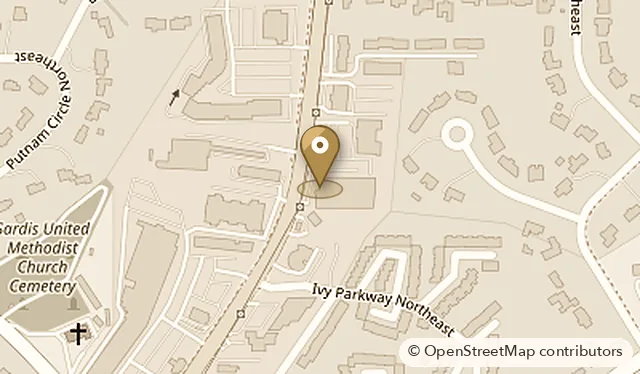
Monday to Friday 8:30 AM to 5 PM; Saturday 8:30 AM to 2:30 PM

Monday to Friday 8:30 AM to 5 PM; Saturday 8:30 AM to 2:30 PM
Maps © OpenStreetMap contributors.
Keep exploring
Your first step
Book a consultation in Buckhead or Cumming and leave with a plan that fits your face, your goals and your budget.
This page is general education and is not medical advice. It does not replace an in-person consultation. Whether a treatment suits you, and what result is realistic, depends on your health history and an examination. Results vary from person to person.
Derm Clinic MD · Last updated October 2026.