
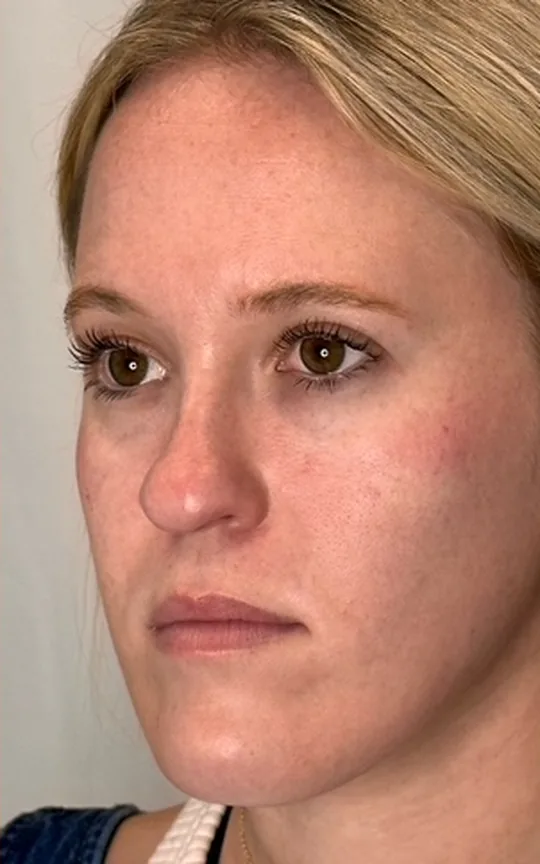
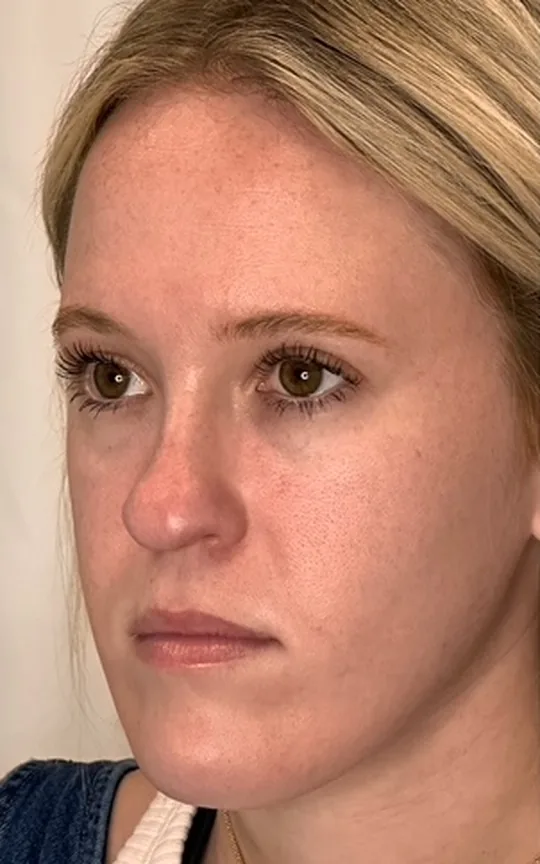
Cheek LiftVoluma cheek fillerHead angle and lighting differ slightly between the photos.
Dermal fillers
Smile line filler, usually hyaluronic acid, is injected under nasolabial folds, and sometimes marionette lines, to soften them. The FDA has approved several fillers for nasolabial folds, but its approval wording does not name marionette lines. Hyaluronic acid results are temporary, approximately 6 to 12 months according to the FDA, and a plan may treat the fold, the cheek above it, or both.
Treated by Dr. PaymanBuckhead and Cumming
What it treats
Yes, filler can soften both, with more evidence for smile lines. Smile lines, or nasolabial folds, run from the sides of the nose to the edges of the mouth, and the FDA lists them as an approved use for absorbable fillers. Marionette lines run from the corners of the mouth down toward the jaw, and the published evidence for filler there is smaller.
The FDA approval wording for hyaluronic acid (HA) fillers is correction of 'moderate to severe facial wrinkles and folds, such as nasolabial folds.' FDA records date this approval to December 2003 for Restylane, June 2006 for Juvederm and August 2017 for Revanesse Versa, which was approved as Revanesse Ultra. Fillers that are not HA are also approved for these folds, including Radiesse in 2006 and Sculptra Aesthetic in 2009.
None of the approval statements in the FDA's device database names marionette lines, so how a product's labeling applies to them is a question for your injector. One 12-month, open-label, single-center study of an HA filler in marionette lines, designed and funded by its maker, enrolled 83 adults. By an investigator's scale, 69.9% improved by at least 1 point at 1 month, 58.2% at 3 months and 51.3% at 6 months, according to the published study. It had no control group.
Results
Hyaluronic acid filler in smile lines is temporary, with effects the FDA puts at approximately 6 to 12 months. The patient labeling for one product, Juvederm Ultra Plus XC, says results last about 1 year. In an open-label marionette study, 53.8% of participants still rated their lines improved or much improved at 12 months, down from 96.4% at 1 month.
The marionette study showed a gradual decline from month 1 through month 12 rather than a sudden drop. The Juvederm labeling says correction is temporary and touch-up and repeat injections are usually needed to maintain it, and the FDA notes that the safety of repeated use over a long period has not been evaluated in a controlled clinical study. Your injector can tell you how often a refresh is realistic for your face.
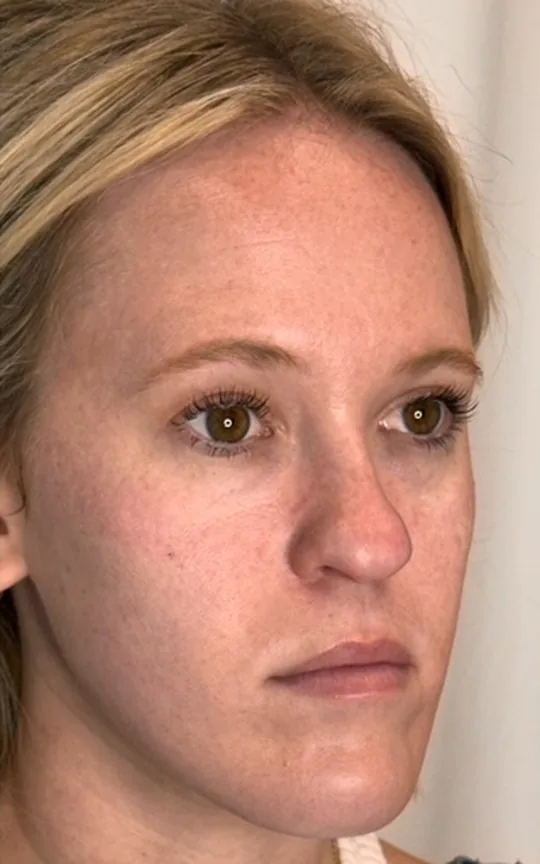
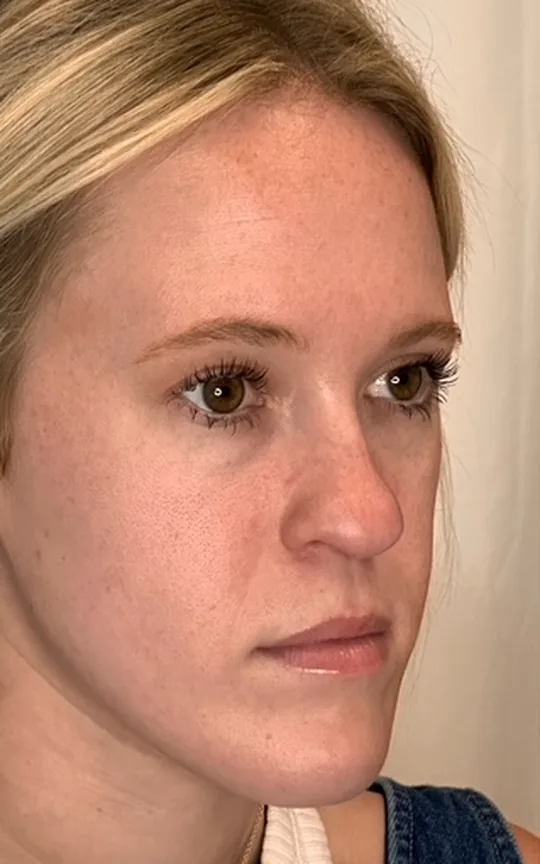
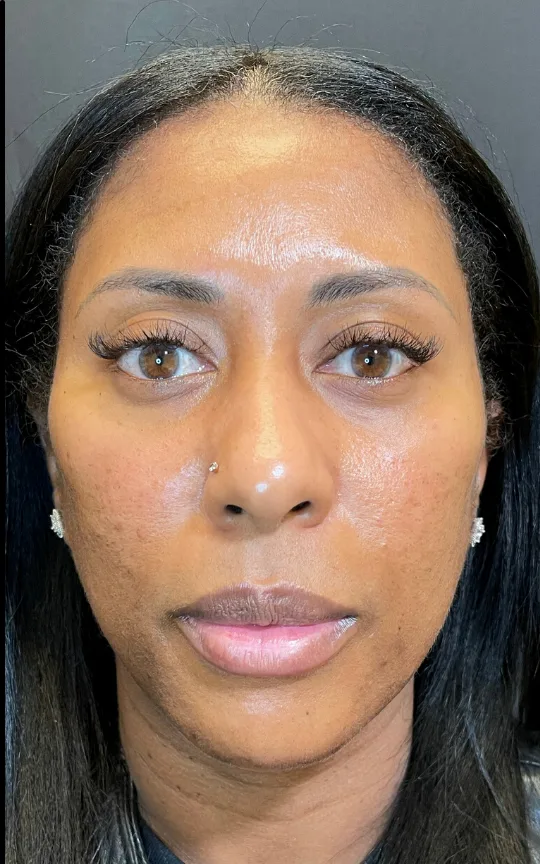
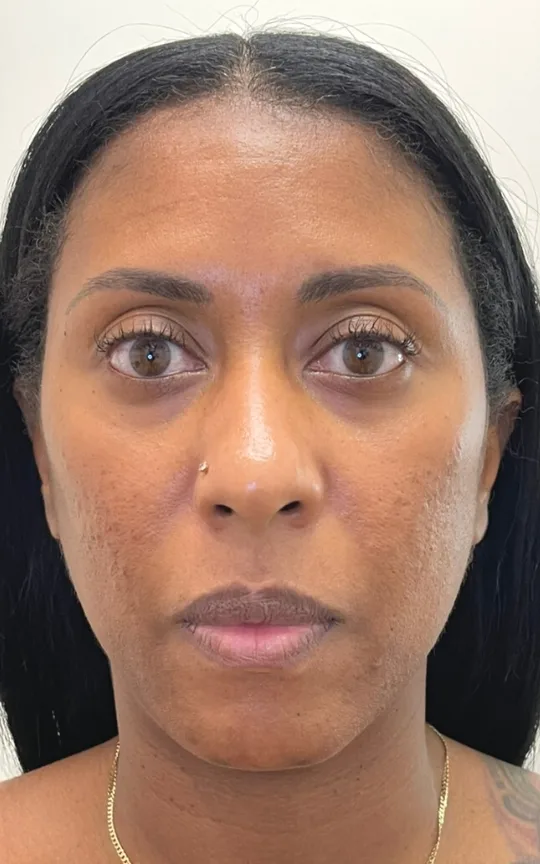
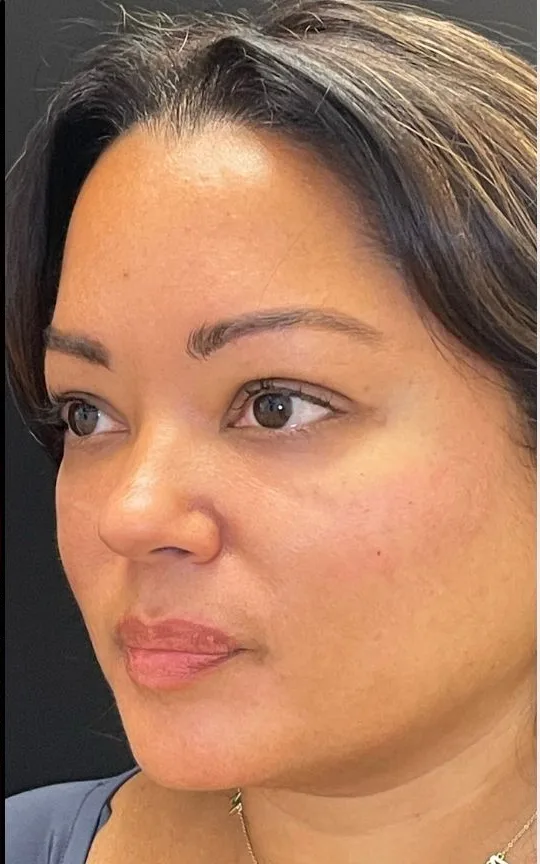
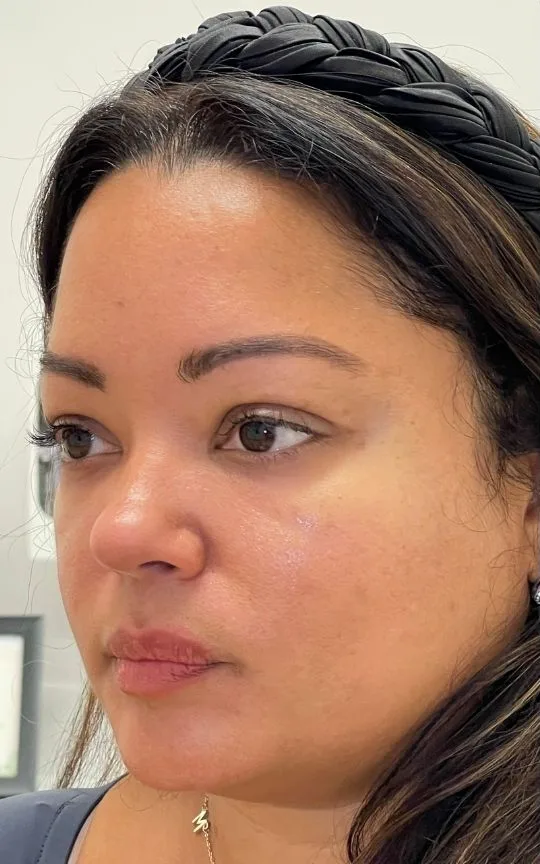
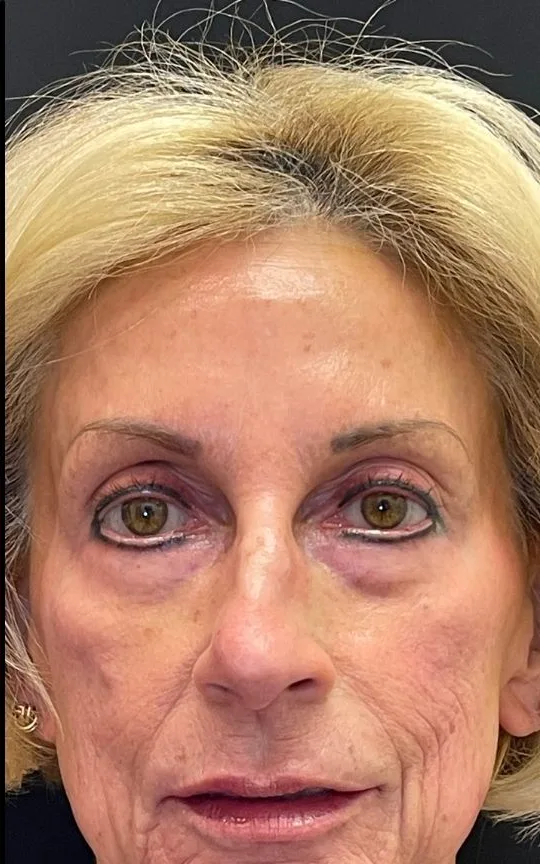
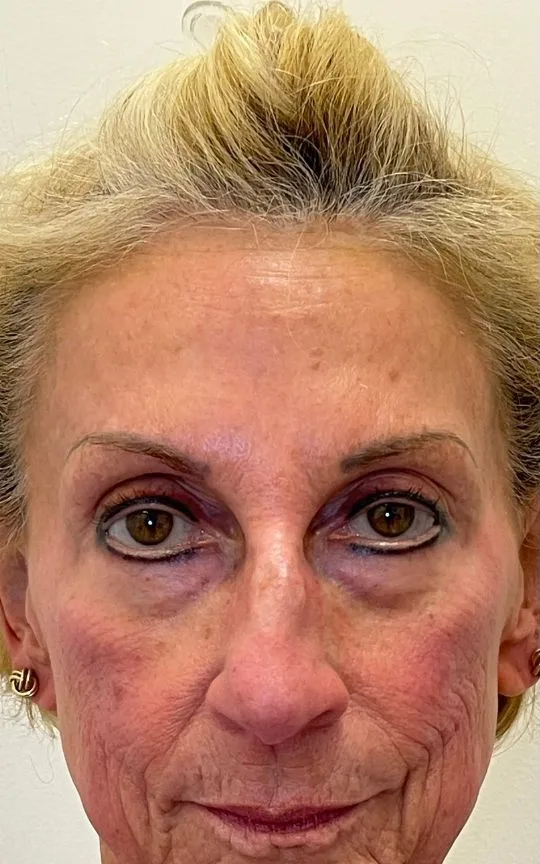
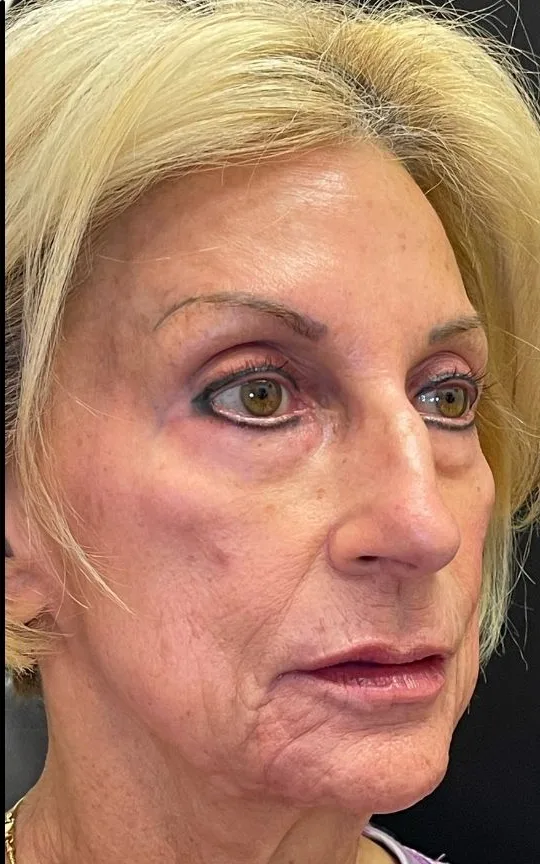
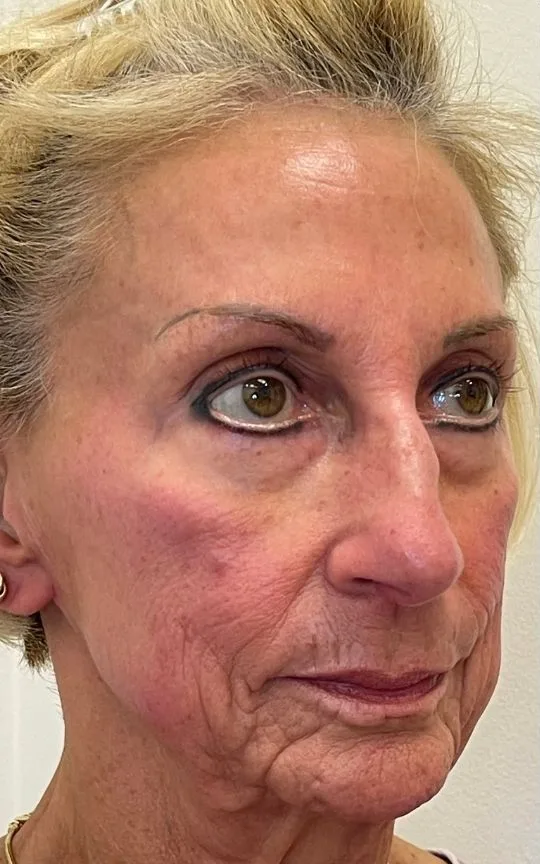
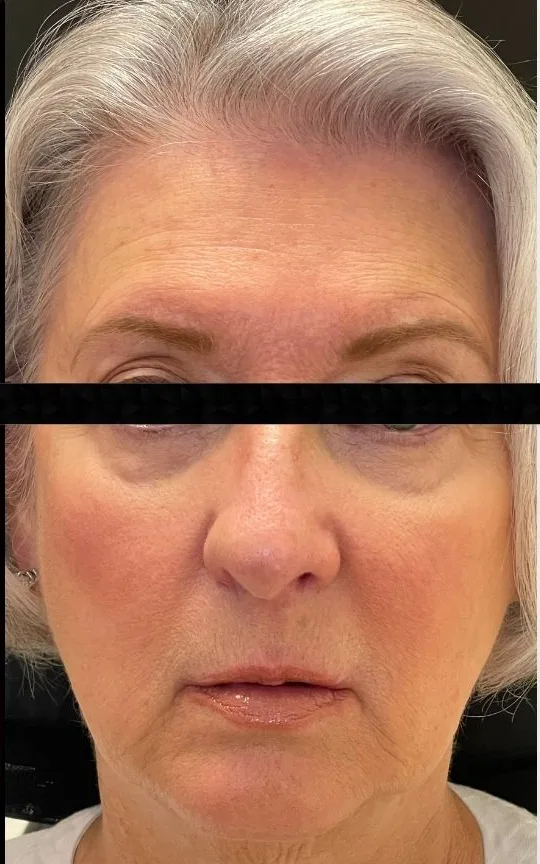
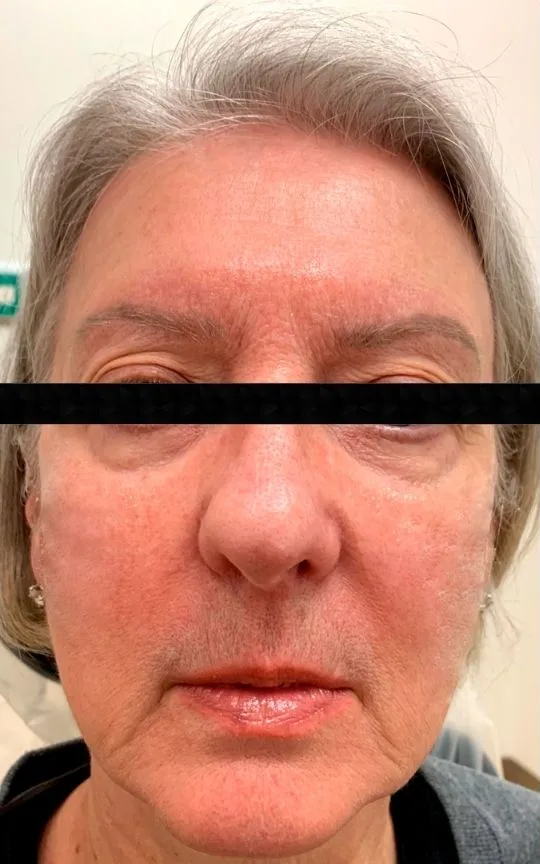
Drag the slider across each photo.Tap any photo to see it larger. These are Dr. Payman's own patients, shown with their written consent. These photos show individual results, not typical or guaranteed ones. Your result depends on your anatomy, the product, how much is used and how many visits you have. The number of visits and the time since treatment are not shown for most sets. See the full gallery.
Is it right for you?
Adults 22 and older whose folds bother them, who understand that results are temporary and want a softer fold rather than a flat one, are the usual candidates. Some people should wait or choose another route: the FDA says filler safety is unknown during pregnancy, while breastfeeding and under age 22, and injection should be delayed during active skin inflammation or infection.
The FDA also asks you to tell your provider about a bleeding disorder, severe allergies or a history of anaphylaxis, and allergy to lidocaine or to bacteria, since some fillers contain HA made by bacterial fermentation. It says safety is unknown in people prone to keloids or hypertrophic scars. The Juvederm Ultra Plus XC patient labeling adds caution for people on immunosuppressive therapy, says people who use aspirin or ibuprofen may bruise or bleed more at the injection site, says safety has not been studied in people with pigmentation disorders, and notes a possible risk of an inflammatory reaction if a laser or chemical peel follows treatment. Tell the office about any of these.
If you are unsure whether the fold or the cheek is the real issue, the consultation is where Dr. Payman can look at both. See cheek filler for the volume side of the question.

Who treats you
Board-certified physician with 13+ years in aesthetic medicine. Dr. Payman is the only provider at Derm Clinic MD, and she personally treats every patient. Every plan starts with a consultation, so it is made around your face and your goals.
Georgia medical license 61513 (NPI registry).
Read Dr. Payman's full bioYour visit
Every treatment starts with an in-person consultation. Dr. Payman reviews your health history, allergies and medicines, looks at your folds and cheeks, and agrees a plan with you before any injection. The office will explain what to expect at your visit and afterward.
Cost
Derm Clinic MD quotes your cost at the consultation, after Dr. Payman makes your plan, because the total depends on the areas treated and the filler used. For national scale, the American Society of Plastic Surgeons' 2023 statistics put the average physician fee at $715 for hyaluronic acid fillers and $901 for non-hyaluronic fillers such as Radiesse and Sculptra.
Those are national averages that vary by region and provider; ASPS says cost depends on the expertise of the person treating you, the type of procedure and the office location. They cover all filler procedures, not smile lines specifically. ASPS also notes that health insurance does not cover dermal fillers. See pricing and membership, where the Gold plan is $99 a month, saved toward dermal fillers, or book a consultation for a plan and quote.
Gold membership
$99 a month, saved toward Botox, Jeuveau or dermal fillers
Six-month minimum, then month to month. A $99 fee applies if you cancel before six months.
Compare
Of the fillers Derm Clinic MD offers, three material types are approved for nasolabial folds: hyaluronic acid, calcium hydroxylapatite and poly-L-lactic acid. They differ in how long the FDA says they last and in whether an enzyme can reverse them, which matters most if this is your first filler. Dr. Payman will explain which fits your folds and why.
| Filler material | Examples | Effect lasts (FDA) | Can hyaluronidase dissolve it? |
|---|---|---|---|
| Hyaluronic acid | Juvederm, Restylane and Revanesse Versa families | Approximately 6 to 12 months | Yes (an off-label use) |
| Calcium hydroxylapatite | Radiesse | Approximately 18 months | No, per a 2024 review |
| Poly-L-lactic acid | Sculptra | May last up to 2 years; given in a series | No, per a 2024 review |
The FDA says duration depends on the material and the area injected, and its approved fillers page gives the ranges above, so treat them as approximate. The 2024 JMIR Dermatology review lists poly-L-lactic acid and calcium hydroxylapatite among fillers hyaluronidase cannot dissolve. For how the options compare fold by fold, read our post on smile lines and your options, or see Sculptra and Radiesse.
Safety
Common risks are bruising, redness, swelling, pain, tenderness and itching, and many pass within days to weeks. The most concerning risk is filler entering a blood vessel, which the FDA says has low odds but can cause tissue death, vision problems including blindness, or stroke. Get immediate medical attention for unusual pain, vision changes, or white, gray or blue skin near the injection site.
Less common problems the FDA lists include lumps or nodules that may need injections, antibiotics or surgery, infection, allergic reaction and, rarely, movement of the filler. Reactions can appear weeks, months or years later, and the FDA and the Juvederm labeling say inflammation near a filler site can develop after a viral or bacterial illness, a vaccination or dental work. In the marionette study, 13 of 83 participants reported a device-related event, most often pain, and none was serious. The Juvederm labeling also lists herpes among reported events, so mention cold sores to the office.
For nasolabial folds specifically, a 2025 American Academy of Ophthalmology review of 198 cases of vision loss after filler listed the nasolabial fold as the site in 9 of 226 injection sites, far fewer than the nose (90) or forehead (56). That describes where cases were reported, not proof that any area has no risk. If a vessel problem occurs with HA filler, hyaluronidase is the usual treatment, though the AAO review found treatments, including hyaluronidase, were usually not effective in reversing vision loss; see dissolving filler.
Patient reviews
“She is very kind and pays attention to my requests for minimal treatment”
“I only trust this clinic with my Botox and fillers.”
“Once I met with Dr Arshia Paymen I never felt rushed, she took the time to listen to all my concerns and explained it all in a way that was easy to understand.”
Excerpts are quoted word for word from public Google reviews of Derm Clinic MD. Individual results vary.
Questions
Short answers here. Your own plan, product and cost are set with Dr. Payman at your consultation.
Ask at a consultationThey can, but the evidence is limited. A 2025 open-label study of the filler VYC-17.5L (Cueto et al., Journal of Cosmetic Dermatology) was designed and funded by the filler's maker, and followed adults with a mean age of 59.2, mostly women with lighter skin types, so it may not predict your result. Ask your injector what to expect for your face and how long it is likely to last.
The evidence for marionette lines tests one product at a time; it does not compare families. A 2025 open-label study in the Journal of Cosmetic Dermatology, for example, evaluated a single product (VYC-17.5L), and the FDA's filler pages do not compare products. Restylane, Juvederm and Revanesse Versa each include HA fillers with FDA approval for nasolabial folds, and the FDA reviewed each product for specific areas, so the choice depends on the product's labeling, the depth and area treated, and your injector's judgment.
Botox is not FDA-approved for nasolabial folds or marionette lines. The Botox Cosmetic label lists glabellar lines, lateral canthal lines, forehead lines and platysma bands, and says the safety and effectiveness of unapproved uses have not been established. See Botox for approved uses. The FDA's patient page also says the safety of using these fillers in combination with neuromodulators or other treatments has not been evaluated in a controlled clinical study.
If it is hyaluronic acid, hyaluronidase can break it down, a use that a 2024 review calls off-label in aesthetics. A 2024 JMIR Dermatology review lists poly-L-lactic acid and calcium hydroxylapatite fillers (Sculptra, Radiesse) among those hyaluronidase cannot dissolve. Results and the number of sessions vary. See dissolving filler for allergy risk and what to expect.
The Juvederm Ultra Plus XC patient labeling says some discomfort may occur during and after injection, that the gel contains an anesthetic to reduce injection-site pain, and that physicians may also numb the area with a cream. Tenderness is among the most common side effects it lists. Ask your injector how comfort is managed at your visit.
No. They are separate approved uses. The FDA lists correction of wrinkles and folds such as nasolabial folds as one use for absorbable fillers and augmentation of the cheeks as another, and it approved products area by area. Some plans treat the fold, the cheek or both. See our cheek filler guide for the cheek side.
Two offices
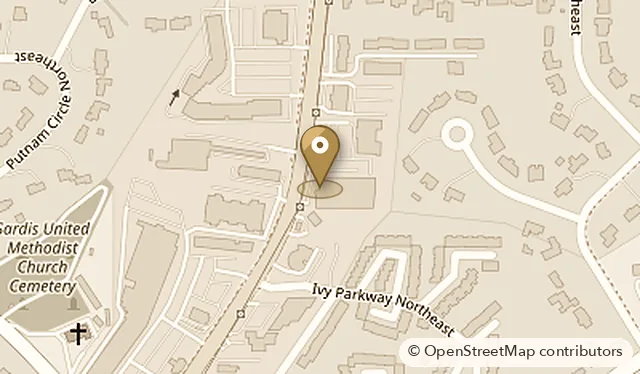
Monday to Friday 8:30 AM to 5 PM; Saturday 8:30 AM to 2:30 PM
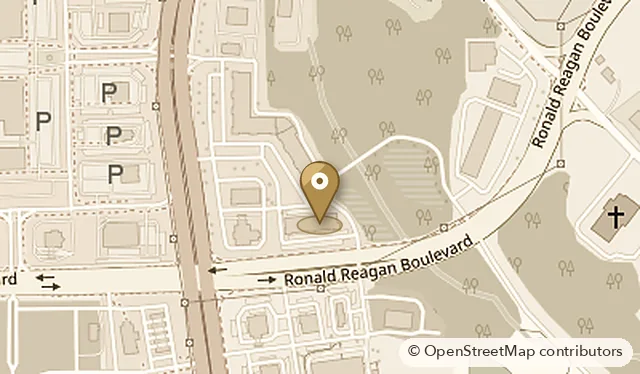
Monday to Friday 8:30 AM to 5 PM; Saturday 8:30 AM to 2:30 PM
Maps © OpenStreetMap contributors.
Keep exploring
Your first step
Book a consultation in Buckhead or Cumming and leave with a plan that fits your face, your goals and your budget.
This page is general education and is not medical advice. It does not replace an in-person consultation. Whether a treatment suits you, and what result is realistic, depends on your health history and an examination. Results vary from person to person.
Derm Clinic MD · Last updated October 2026.